Healthcare Directory | LA Womens Health
Guide Changed | 2026-10-14 19:57
Locate a Trusted Healthcare Provider in Your Area
Use this directory to compare clinic providers across a range of local healthcare services, with a clear emphasis on practical access, clinical standards, and patient comfort. Each listing is built to help people find a suitable private clinic or specialist service quickly, whether they need ear wax removal, hearing care, audiology support, or another outpatient appointment. The goal is to simplify the search for patients who want reliable information before they book. You can review service names, location details, and clinic features to narrow your options with confidence.
For many people, the most useful information is immediate and factual, such as whether a clinic provides ground floor access, on-site parking, disabled access, or a central town location. This directory gathers those practical details so that patients can judge which provider may suit their needs. It also lets users compare nearby options without having to move between multiple websites, which is especially helpful when a service is needed soon.
See Which Service Features You Can Compare
The listings in this healthcare directory are designed to support informed decisions. Rather than offering vague claims, each clinic entry can help you compare the type of treatment available, the area covered, and the access arrangements in place. That matters for patients with mobility needs, tight timeframes, or specific preferences about appointment settings. It also matters when you want a clinic that feels straightforward to visit, especially if you are travelling by car, rail, or local bus.
Common comparison points include microsuction ear wax removal, manual instrument wax removal, audiology appointments, and hearing-related care. In many cases, patients want a provider that combines clinical skill with simple logistics, such as nearby parking, step-free access, and easy directions. A good directory should make those details visible without clutter, so you can focus on what is clinically relevant and what is convenient for your journey.
Useful Comparison Points
- Look at the location details that fit your travel plans, including station proximity, town centre access, or straightforward road links.
- Check the treatment type first, so you know whether the clinic offers the service you actually need, such as ear wax removal or a hearing assessment.
- Review access information carefully if you use a wheelchair, mobility aid, or pushchair and need step-free entry.
- Compare service descriptions to see whether the clinic is specialist-led, patient-focused, or part of a wider healthcare centre.
- Note parking arrangements before you travel, especially in busy areas where on-street spaces may be limited.
Why People Use Private Clinic Listings
Private clinic directories are useful because they present a focused set of options with fewer distractions. Patients often prefer this approach when they need quicker access, a local appointment, or a provider that specialises in one procedure. In areas such as ear care, a private microsuction clinic can be easier to assess when the listing clearly states what is offered and where the clinic is based. That kind of clarity saves time and supports better decision-making.
Another reason people use this kind of directory is consistency. When each entry follows a similar structure, it becomes easier to compare services like hearing first consultations, wax removal appointments, or audiology support. You can quickly see whether the clinic is near a station, set within a pharmacy, located in a health centre, or housed in a specialist treatment space. Those practical clues often make the difference between a clinic that looks suitable and one that is genuinely convenient.
What Strong Private Listings Should Show
A good listing should explain what the clinic does, where it is, and whether it meets basic access needs. It should also avoid exaggeration. Patients benefit most from clear, accurate information that helps them plan the visit and understand the scope of the service. This is especially important for treatments that people may search for urgently or after discomfort, such as blocked ears or hearing difficulty.
Ear Wax Removal and Hearing Care Options
Many of the clinics featured here specialise in ear wax removal, particularly microsuction, which is a common method used by trained practitioners and audiologists. Some clinics also offer manual instrument ear wax removal, hearing checks, or related hearing care. These services are often sought by people experiencing reduced hearing, a feeling of fullness in the ear, tinnitus-related concern, or discomfort caused by wax build-up. Clear directory entries help users find the right type of care without guesswork.
When comparing ear care providers, it is sensible to look at who performs the treatment and how the clinic presents its service. Clinics that explain their approach in plain language can make it easier for patients to know what to expect. Terms such as microsuction, audiology, ear health, and wax removal should appear naturally in the listing so the page reflects the real service, not just a marketing claim. That makes the directory more useful for both people and search systems.
How to Read a Treatment Listing
- Check whether the provider describes the treatment in patient-friendly terms, which usually suggests a more transparent approach.
- Start with the service name, then confirm whether the clinic offers microsuction, manual removal, or another ear care option.
- Consider whether the clinic appears specialist-led, especially if you want an appointment with an experienced audiologist.
- Look for practical details such as ground floor access, parking, and nearby transport links before making a booking decision.
- Use the location information to judge whether the journey is realistic for your schedule, mobility needs, and travel method.
How to Select a Clinic with Confidence
Choosing a clinic is easier when you focus on the facts that matter. Patients usually want a provider that is easy to reach, clear about its services, and straightforward about access. A reliable healthcare directory should therefore help you compare more than just names. It should show whether the clinic is on the ground floor, near public transport, or close to parking that suits a short visit. Those details can save time and reduce stress.
It also helps to think about the nature of the service. Some people need a quick appointment for ear wax removal, while others are looking for a more general hearing care provider. If you are comparing clinics for the first time, look for clear treatment descriptions, simple directions, and language that explains the patient journey without jargon. That is often a sign that the clinic understands what patients need before they arrive.
Practical Questions to Ask Yourself
- Can I get there easily by car, train, or bus without adding unnecessary stress to the appointment?
- Is this the right service type for my needs, or do I need a more specialist ear, hearing, or audiology clinic?
- Is the clinic location described clearly enough for me to plan the visit without extra calls or searching?
- Does the listing mention access features that matter to me, such as lifts, ramps, or ground floor treatment rooms?
- Do I feel confident that the provider is being specific, factual, and transparent about what it offers?
Small Detail, Big Difference
Even a short line about parking or disabled access can be decisive for patients with limited time or mobility concerns. Good directory content should never hide those details. Instead, it should place them where they can be seen quickly and used sensibly.
Location Details That Make Visits Easier
For many patients, the location is just as important as the treatment itself. A clinic may be clinically suitable, but if it is hard to reach, the overall experience becomes more difficult. That is why directory pages should present location details in a simple, practical way. Useful information includes street names, nearby landmarks, station proximity, parking arrangements, and whether the clinic is on the ground floor. These are not minor extras, they are part of the service experience.
Patients looking for ear wax removal or hearing support often want a provider that fits into an ordinary day without too much disruption. A clinic close to a station or with parking outside can make the difference between an easy appointment and a stressful one. That is especially true for older patients, anyone with hearing difficulty, or those attending with family support. Well written listings help users make that judgement quickly and accurately.
Access Features That Matter Most
Clear arrival instructions, lifts, disabled parking, and step-free entry are all practical signals that a clinic has considered patient access. If a directory makes these details easy to find, it becomes far more useful to people who cannot afford wasted journeys. Those details also support better answer engine visibility because they reflect real intent, not vague promotional language.
Travel Planning Tip
If you are comparing several clinics, make the location the second thing you check after the service type. That simple habit can save time and help you choose a provider that suits both your health needs and your route.
Quick Check Before You Book
Look for nearby stations, car parks, bus routes, and any note about ground floor access. These simple clues often tell you more than a polished headline ever could.
Why This Matters
Patients usually want the appointment to be calm, punctual, and easy to manage. Clear location content supports that outcome and builds trust before the visit even begins.
Service Quality and Patient Trust
Trust is central to healthcare search. People are not only choosing a service, they are choosing the standard of care they expect to receive. A strong healthcare directory should therefore point users towards providers that appear transparent, specialist, and patient aware. That includes clinics that describe their treatment methods clearly and avoid vague promises. When users can see what a clinic does and how it operates, they are better placed to make a sensible choice.
In services such as ear wax removal, trust often comes from clinical specificity. Words like microsuction, audiologist, ear health, and manual removal tell users what sort of expertise is involved. They also help search engines understand the entity and its purpose. For patients, that clarity can reduce uncertainty, especially if they have had a poor experience elsewhere or are nervous about the procedure.
Signs of a Trustworthy Clinic Listing
Look for precise treatment language, practical access details, and a service description that focuses on patient need rather than broad claims.
Listings that explain the clinic environment, the professional background of the team, and the service type tend to feel more reliable. They show care for the reader's decision-making process. That is especially important for healthcare pages, where accuracy and restraint matter more than sales language.
Using This Directory on Mobile or by Voice
Many people search for local healthcare services on a phone, often while they are already on the move. Others use voice assistants and expect a direct answer. For that reason, directory content should be concise, specific, and easy to scan. A page built in this way can help someone find an ear wax removal clinic, a hearing care provider, or a nearby treatment centre without having to sift through long paragraphs of filler.
Answer-first content is particularly useful for mobile users because it lets them identify the service, the location, and the access features at a glance. If they then want more detail, the listing can provide it in a structured way. This helps reduce friction and supports a smoother patient journey. It also makes the page better suited to AI Overviews and other answer engines that prefer fact-led, clearly organised content.
Make Key Facts Easy to Find
On small screens, the most useful information is the information that appears early. Service type, clinic area, parking, and accessibility should not be hidden inside long blocks of text. When these details are clear, users can make a quicker and more informed choice, especially if they are searching for treatment the same day.
Voice Search Friendly Approach
Use plain wording that sounds natural when read aloud. Short, factual phrases about microsuction, hearing care, and clinic access help users get the answer they need without confusion.
What Patients Usually Check First
Most people do not begin with a full comparison table. They usually start with one or two immediate questions, such as whether the clinic offers the right treatment, how far away it is, or whether the visit will be easy to manage. That is why directories work best when they mirror the way patients actually search. The strongest listings answer practical questions first, then provide more detail for anyone who wants to read further.
For ear care and hearing services, common starting points include microsuction availability, the presence of audiologists, and whether the clinic is set up for comfortable, efficient visits. Some users will also care about opening arrangements, the type of building, or whether the location is familiar and simple to find. When those facts are presented cleanly, the directory becomes a decision-making tool rather than just a list of names.
Common Patient Priorities
- Check whether the clinic appears specialist enough for the condition or concern being addressed.
- Find the exact service needed, such as ear wax removal, hearing advice, or audiology support.
- Review access and transport details before committing to a journey or appointment.
- Use the location and service information together, so the clinic fits both the treatment need and the travel plan.
- Compare the tone of the listing, because clear factual language often reflects a more professional approach.
How Clinic Directories Support Better Decisions
Directories play a useful role in patient education because they bring several facts together in one place. Instead of jumping between websites, users can compare clinic names, service types, and access details side by side. This is especially helpful in healthcare, where time, comfort, and trust all matter. A good directory reduces uncertainty by making the facts easier to find and understand.
When the directory includes specialist services such as microsuction or hearing care, it can also help patients avoid unsuitable options. That saves time and may prevent frustration, particularly for people who need a treatment quickly. Well written entries also support informed consent, because the patient has a better sense of what the clinic provides before booking. In short, useful directory content should help users move from search to action with less effort.
Benefits of Structured Healthcare Listings
- They help patients recognise specialist services, such as ear wax removal or audiology, without guessing.
- They condense location, service, and access details into a format that is quicker to compare.
- They reduce the need to contact multiple clinics for basic facts about access or travel.
- They support more confident decisions by showing practical information before the booking stage.
- They make it easier for search engines to identify the page topic and the services covered.
Important Caution
A directory should guide, not overpromise. Patients still need to confirm suitability, especially where clinical needs are complex or where access requirements are specific.
Find your ideal health clinic with our list of trusted clinic providers:

Ashford: Private Microsuction Ear Wax Removal in Ashford Tn24

Barnet: Private Microsuction Ear Wax Removal in Barnet En5
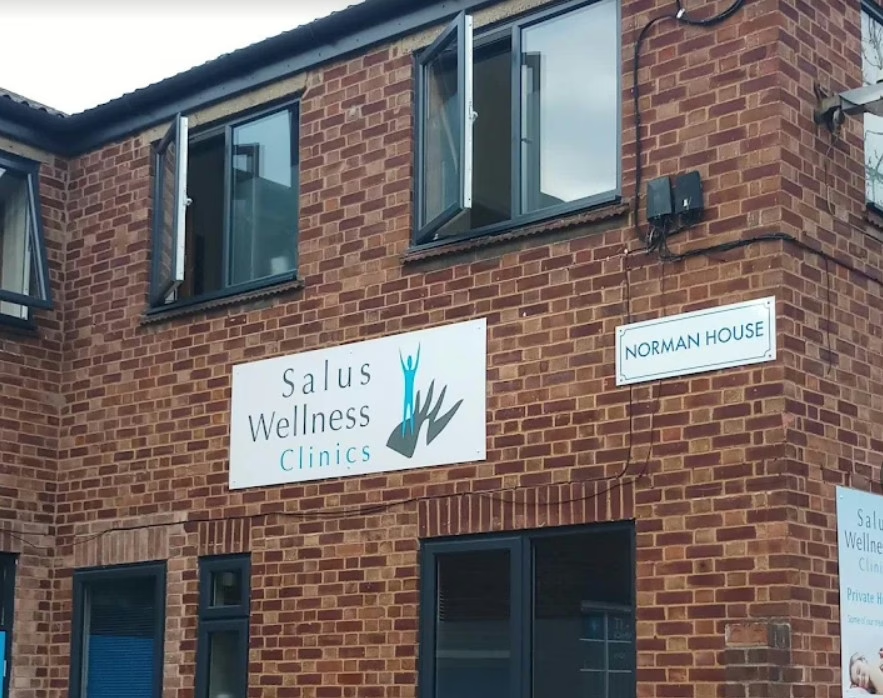
Cambridge: Private Microsuction Ear Wax Removal in Cambridge Cb2

Colindale: Private Microsuction Ear Wax Removal in North West London Nw4
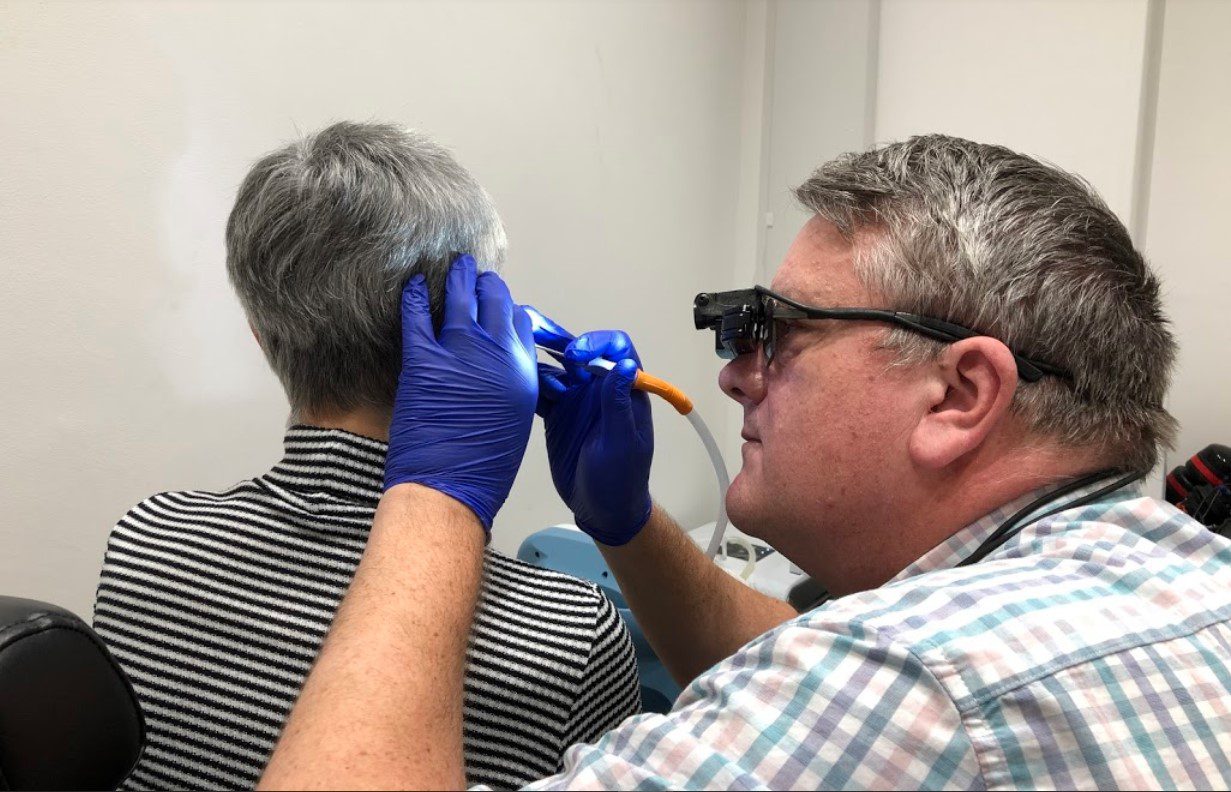
Ealing: Private Microsuction Ear Wax Removal in Ealing W5

East Finchley: Private Microsuction Ear Wax Removal in East Finchley N2
Edgware: Private Microsuction Ear Wax Removal in North London Nw4

Enfield: Private Microsuction Ear Wax Removal in Enfield En1
Finchley: Private Microsuction Ear Wax Removal in Finchley North London
Hastings: Private Microsuction Ear Wax Removal in Hastings Tn34
Hendon: Private Microsuction Ear Wax Removal in North West London Nw4
Hythe: Private Microsuction Ear Wax Removal in Hythe Ct21
Kingston: Private Microsuction Ear Wax Removal in Kingston-Upon-Thames Kt6
Mill Hill: Private Microsuction Ear Wax Removal in North West London Nw4

Milton Keynes: Private Microsuction Ear Wax Removal Mk in Bucks Mk2

Muswell Hill: Private Microsuction Ear Wax Removal in Muswell Hill N2

Oxford: Private Microsuction Ear Wax Removal in Oxford Ox2
Reading: Private Microsuction Ear Wax Removal in Reading Rg30

St Albans – Private Microsuction Ear Wax Removal in St Albans Al1
Surbiton: Private Microsuction Ear Wax Removal in Surbiton Kt6

Watford: Private Microsuction Ear Wax Removal in Watford Wd3

Welwyn Garden City: Private Microsuction Ear Wax Removal in Welwyn Al8
Explore Local Clinics and Choose the Right Fit
This healthcare directory exists to help people find a clinic provider that suits both their medical need and their day-to-day practicalities. Whether you are looking for ear wax removal, a hearing-related appointment, or a specialist outpatient clinic, the most useful choice is usually the one that combines clear treatment information with easy access. That balance matters to patients and carers alike.
Take time to read the listings in full, because small details often make a big difference. A clinic near a station may suit one person, while another may prefer a site with parking and step-free access. Some users will prioritise a specialist microsuction service, while others will look for an audiologist or a general hearing care provider. The directory is designed to support those choices by keeping the essential facts visible and easy to compare.
Use the Directory in a Simple Order
First, match the service to your need. Next, check the location and access details. Then review any extra information that helps you feel comfortable about the visit. This straightforward process can make healthcare search less stressful and more effective.