How To Find Way To Oxford: Private Microsuction Ear Wax Removal In Oxford OX2
This Listing Changed - 14 Oct 2026, 05:44
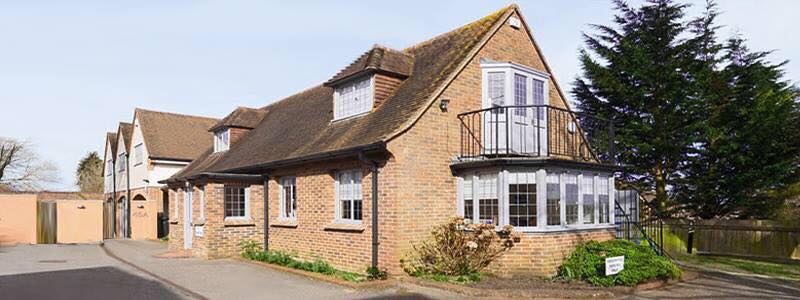
Our Oxford ear wax removal clinic is based within Raleigh Park Clinic, and it is easy to reach from the Premier Inn Oxford Botley or the A34 Southern By-Pass Road Northbound. You will find ample free parking, including disabled parking, along with disabled access to the clinic, which sits on the ground floor.
Ear Wax Removal Oxford North London Map, Location and Directions
You can get directions to our Microsuction Oxford Botley Location here. Just put in your location in the specified area and Google Maps should lead you to the clinic.
Hearing First Oxford: Ear Wax Removal and Hearing Aids
Located within Raleigh Park Clinic,
URL: https://www.hearingfirst.co.uk/book-ear-wax-removal-near-me/book-microsuction-ear-wax-removal-oxford/
View Hearing First Oxford - Ear Wax Removal and Hearing Aids on Google Maps.
Probably the best ear wax removal clinic in Oxford – don’t just take our word for it – here are some reviews from our many happy clients:
Driving Directions to Hearing First Oxford
- Kennington Pharmacy (Ear Wax Removal Clinic, Travel Clinic & Weight Loss Clinic, in Oxford) to Hearing First Oxford: approximately 3.1 miles and 7 minutes by car. The route typically begins: Head north-west on Kennington Rd towards Edward Rd Go through 1 roundabout; then Turn right; then Merge onto Southern By-Pass Rd/A423. Open this route in Google Maps.
- Carfax Tower to Hearing First Oxford: approximately 4.3 miles and 13 minutes by car. The route typically begins: Head south-east on St Aldate's/A420 towards New Inn Yard; then Continue onto Abingdon Rd/Folly Brg/A4144 Continue to follow Abingdon Rd/A4144; then Merge onto Kennington Roundabout. Open this route in Google Maps.
- Museum of Oxford to Hearing First Oxford: approximately 4.3 miles and 13 minutes by car. The route typically begins: Head south-east on St Aldate's/A420 towards New Inn Yard; then Continue onto Abingdon Rd/Folly Brg/A4144 Continue to follow Abingdon Rd/A4144; then Merge onto Kennington Roundabout. Open this route in Google Maps.
- John Wesley Historical Marker to Hearing First Oxford: approximately 2.4 miles and 13 minutes by car. The route typically begins: Head north on New Inn Hall St towards St Michael's St; then Turn left onto George St; then George St turns slightly left and becomes Worcester St. Open this route in Google Maps.
Distances, indicative journey times and route links are provided by Google Maps. Check live conditions before travelling.
How to Reach Our Oxford Ox2 Microsuction Clinic
If you are heading to private microsuction ear wax removal in Oxford OX2, the simplest plan is to sort your journey before you leave and allow a little extra time for Oxford traffic. That is especially helpful if you are dealing with blocked ears, muffled hearing, or discomfort, and would rather arrive composed than rushed. Many patients rely on Sat Nav, route planners, or a straightforward postcode search to steer them towards the clinic area, but it is still sensible to check the roads on the day. Oxford can be busy around key commuter routes, so having a clear plan can ease stress and make the appointment feel far more manageable.
It is worth thinking through your approach to the area, where you will leave the car, and whether you need step-free access. If you are travelling from nearby places such as Jericho, Summertown, Wolvercote, or Kidlington, it may be sensible to check likely journey times during peak periods. For anyone using microsuction, ear wax removal, or hearing care services, a smooth arrival can make the whole visit feel less fraught.
Getting Ready for a Calm Clinic Visit
Before you set off, it helps to confirm the route, particularly if you are unfamiliar with Oxford OX2 or visiting for the first time. A handful of practical checks can save time once you are on the move. Keep your appointment details close by, make sure your device is charged for navigation, and leave yourself a short buffer for parking. If your hearing feels reduced, you may also prefer to avoid distracting background noise while driving, so a clear plan can be useful.
Driving to Oxford Ox2: Routes and Planning
When you are driving to a microsuction clinic in Oxford OX2, it is often better to choose a main route that is easy to follow rather than cutting through unfamiliar side streets. Oxford includes residential roads, busier ring road links, and stretches where traffic can build quickly, particularly at school times and in the late afternoon. A sensible route plan can help you arrive with less pressure, which is useful if you are attending for ear wax removal, hearing assessment, or follow-up care. The goal is not simply to find the quickest route on paper, but the most dependable one for the day.
If you are travelling from the A34 Southern By-Pass Road or another outer route, check where you need to leave the main road and how long the final stretch is likely to take. It is often worth saving the clinic location in your sat nav before leaving home, then checking the last few turns so you are not trying to concentrate on directions at the very end of the journey. That little bit of preparation can make a noticeable difference when you are heading to private healthcare.
Helpful Driving Habits for Oxford Visitors
- Save the destination in your sat nav, then cross-check it with a written address or booking confirmation if you have one.
- Stay alert for bus lanes, one-way systems, and local restrictions that can affect the final approach.
- Check live traffic before you leave, because roadworks or congestion can turn a short trip into a longer one.
- Allow a bit more time than usual, especially if you are travelling across Oxford at a busy time of day.
- Use the final part of the journey to focus on parking and arrival, rather than reworking the route.
Book Your Microsuction Ear Wax Removal Appointment Today, And Say Goodbye to the Discomfort of Ear Wax.
Our microsuction ear wax removal clinic in Oxford also serves clients in Jericho, Summertown, Wolvercote, Marston, Godstow, Park Town, Wytham, Yarnton, Worton, Elsfield, Beckley, Islip, Hampton Poyle, Kidlington, Eynsham, Stanton Harcourt, Hardwick, Northmoor, Kingston Bagpuize, Gozzard’s Ford, Abingdon, Radley, Littlemore, Cowley, Headington, Thame, Wootton, Kirtlington, Freeland, Cassington, Witney, Ducklington, Aston, Woodstock, Weston-on-the-Green, Charlton-on-Otmore, Horton-cum-Studley, Forest Hill, Wheatley and Sandford-on-Thames.
Parking and Arrival Made Easier
Parking Options Listed for This Location
- Free car park
- Paid car park
- Free street parking
- Paid street parking
Car Parks Near Hearing First Oxford
- Customer Car Park, approximately 0.6 miles from Hearing First Oxford. View on Google Maps.
- YourParkingSpace, approximately 1.0 mile from Hearing First Oxford. View on Google Maps.
- Car Park Blackhall Road | APCOA, approximately 1.1 miles from Hearing First Oxford. View on Google Maps.
Parking information and place links are provided by Google Maps. Check restrictions and charges locally.
Planning parking is one of the most useful parts of arranging a private ear wax removal visit, because it removes uncertainty from the last stage of the journey. The clinic provides ample free on-site parking, so you do not need to search for a public car park or think about meter charges. For anyone attending a microsuction appointment, that convenience can make a real difference. Ear blockage, tinnitus, or reduced hearing can already leave the day feeling slightly more tiring, so an uncomplicated parking arrangement helps keep everything straightforward.
Once you arrive, take a moment to get your bearings, lock your vehicle, and gather anything you may need for the appointment. If you wear hearing aids, glasses, or carry medication, it can be helpful to keep those items close to hand. On-site parking also makes life easier for anyone arriving with a companion, because you can step out of the car and head in without a long walk from a street space or remote bay. That is especially helpful in wet weather or if mobility is limited.
Making the Final Few Minutes Feel Straightforward
Try to arrive a few minutes early rather than exactly on time. It gives you a bit of breathing room if parking is busier than expected or if you need to check directions on foot. Even with free on-site parking, it is still wise to stay aware of signs, access points, and any instructions shown on arrival. A smooth parking experience helps you settle in calmly and focus on the microsuction appointment itself.
Video: What Happens in Your Ear Wax Removal Oxford Appointment
Accessible Parking and Ground-Floor Entry
Published Accessibility Features
- Wheelchair-accessible entrance
Accessibility details are provided by Google Maps. Contact the location to confirm individual requirements.
If you need accessible parking or a simpler entrance, the clinic setup is designed to support that. There are several disabled parking bays opposite the entrance, and the clinic is on the ground floor with level access. That is helpful for patients who have limited mobility, use a wheelchair, or would rather avoid stairs. It also suits anyone who finds a long walk from a distant car park uncomfortable, particularly when attending a healthcare appointment that may already feel unfamiliar.
Accessible arrival is about more than convenience. When you are dealing with wax build-up, ear pressure, or blocked hearing, removing small physical barriers can make the whole visit feel less demanding. If you are attending with a relative, carer, or friend, the layout can also make drop-off and pick-up easier to organise. Although the clinic environment is practical, it is still sensible to check your own needs before you travel so you can plan the most comfortable way to arrive.
Useful Access Details to Think About Before Travelling
If you rely on a disabled bay, allow enough time to park in a space that works for you. Bringing any mobility aids, prescription items, or paperwork within easy reach can also help. If you are unsure about the best way to reach the entrance, it is a good idea to review your route and parking plan before you leave home, so the last part of the journey feels predictable and manageable.
Small Steps Can Prevent Unnecessary Strain
For many patients, a brief check of the access route makes a noticeable difference. Knowing there is level access, ground-floor treatment, and disabled parking nearby can reduce uncertainty and help you arrive feeling confident. That is especially useful when you are attending for microsuction rather than a routine visit.
Keep the Focus on Treatment, Not Travel
Good access arrangements help create a better experience from the moment you arrive. They do not replace planning, but they do make the final approach easier, particularly for anyone combining ear wax removal with mobility support or companionship.
Disabled Access
The clinic is on the ground floor and there is level access.
Booking Before You Set Off
Private ear wax removal in Oxford is appointment only, so it makes sense to book before you travel. That is particularly important if you are coming from elsewhere in Oxfordshire and would rather avoid a wasted journey. Booking ahead lets you choose a suitable time, arrange transport, and know exactly when and where to arrive. It also helps you plan around work, school runs, or other commitments, which can be useful if you are fitting microsuction into a busy week.
When you are arranging your visit, it helps to think beyond the appointment slot itself. Consider journey time, parking, and whether you will need someone to accompany you. If you use public transport for part of the trip, check the final walking route and allow for any delays. For patients with wax blockage or reduced hearing, a well-planned appointment can feel much less stressful than arriving at short notice. Advance booking also gives you space to prepare any questions you want to ask about ear wax removal, aftercare, or the microsuction process.
Why Booking Ahead Makes Travel Simpler
Having a confirmed appointment gives shape to the rest of the journey. You can leave at the right time, find parking without rushing, and arrive with a clear sense of what comes next. That is useful for first-time visitors and for anyone returning for private hearing care.
Disabled Parking
There are several disabled parking bays opposite the entrance
What to Expect from a Microsuction Visit

Research Catalogue Results for Ear Wax Removal
- The auricular cough reflex: lateralization, prevalence, procedural determinants, and the role of examiner handedness. - van de Loo J, Mayer M, Sharaf K, Eckel H, Jansen L, Klussmann JP, Luers JC., 2026.
- High-definition otoscopic device for humanitarian mission: how i do it. - Lechien JR, Maniaci A, Kipsang MJ, Kibor M, Vaira LA., 2025.
- Use of Castor Oil in Dermatology: A Narrative Review. - Girdler K, Cabatu A, Olds H, Potts GA., 2026.
Source: Europe PMC. These are bibliographic matches, not personalised medical advice or an endorsement of a treatment.
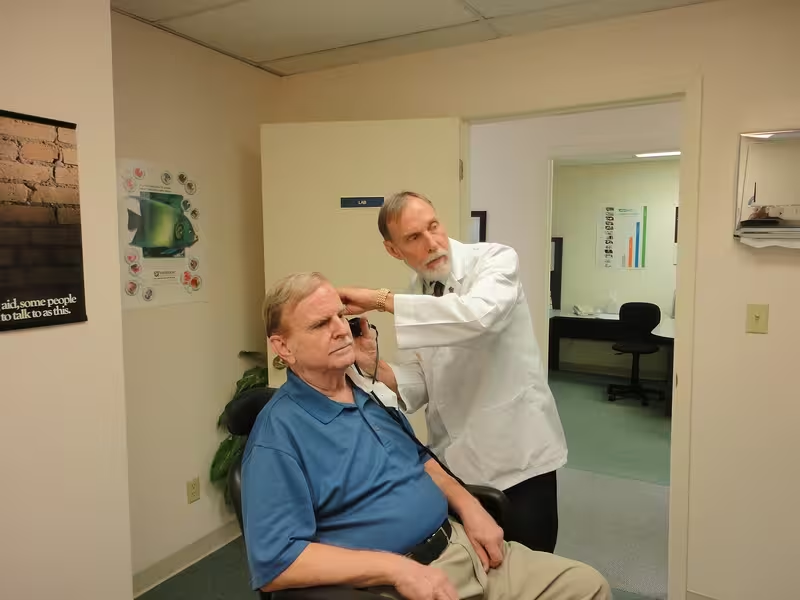
A visit for microsuction ear wax removal is usually straightforward, but it helps to understand the general flow before you travel. You arrive, check in, and then the clinician assesses your ear canals and the amount of wax present. Microsuction uses a gentle suction device to remove ear wax under direct vision, which is one reason many people prefer it to ear syringing or irrigation. The process is normally carried out in a clinical setting and is often chosen by people who want a clear, quick solution for blocked ears or changes in hearing.
Knowing what to expect can make the appointment feel less unsettling. You do not need to bring much, although it can be useful to have any hearing aid information, relevant medical details, or questions you would like answered. Some patients attend because hearing feels muffled, while others are dealing with discomfort, fullness, or hearing aids that no longer fit properly. Whatever brings you in, the appointment is usually centred on safe wax removal and a swift return to clearer hearing. Planning your route and parking in advance means you can arrive ready for the clinical part rather than preoccupied with logistics.
Why the Journey Shapes the Appointment Experience
A well-organised journey can improve the overall experience, because you start the appointment feeling more relaxed. When the travel side is straightforward, you are free to focus on the consultation, the clinical advice, and the relief that often follows successful wax removal.
Appointment Booking
Due to high demand, private ear wax removal is by appointment only. You can book an ear microsuction appointment here, or click on the button below:
Appointment Booking: Arrange Your Oxford Microsuction Visit
Private ear wax removal appointments in Oxford are available by booking only because demand is high. Booking in advance is a practical way to secure a suitable time for microsuction ear wax removal, rather than hoping for a walk-in visit when you are already dealing with uncomfortable wax build-up.
Use the online booking link to start arranging your appointment. Before finalising your visit, it may be helpful to think about travel time, parking needs, and any questions you would like to ask about the ear wax removal process. If your symptoms change or you are unsure whether microsuction is appropriate, seek relevant clinical advice.
Microsuction Versus Ear Syringing
Many people looking for ear wax removal in Oxford choose microsuction because it is a direct, clinically guided method that does not depend on water irrigation. That can be helpful for patients with sensitive ears, a history of ear problems, or a preference for a tidier procedure. Ear syringing, sometimes called irrigation, is less widely offered in some settings, and patients often look for alternatives when they want a private appointment with more flexible scheduling. If you are planning a journey to an Oxford OX2 clinic, it helps to understand the treatment option you are booking so your expectations are clear.
Microsuction is often chosen because it may suit a wide range of wax build-up cases, although not every patient will be appropriate for every procedure. A clinician should assess your ears before treatment and explain the next steps. That is one reason private appointments are popular, as they can offer clearer timeframes and a more personal consultation. If you are travelling to the clinic for the first time, knowing the treatment style in advance can also help you prepare questions about hearing aids, aftercare, or future maintenance.
Why Some Patients Choose a Private Appointment
A private visit can offer a more predictable timetable than waiting for routine treatment elsewhere. For someone dealing with blocked ears or an urgent hearing issue, that predictability can be as valuable as the treatment itself.
Choose the Procedure That Fits Your Needs
If you have had ear surgery, pain, infection, or perforation before, tell the clinician before treatment. That information helps support the safest approach and keeps the appointment focused on suitable care.
Clear Information Before Travel Reduces Doubt
Knowing whether microsuction is likely to suit you can make the journey feel more purposeful. It also helps you decide what to ask when you arrive, which keeps the visit efficient and well organised.
Parking
There is ample free on-site parking available.
Parking: Plan a Straightforward Arrival
Visitors to the Oxford microsuction ear wax removal clinic can use the ample free on-site parking, which helps make arrival simpler when you are dealing with ear blockage or reduced hearing. Allowing a little extra time for your journey can help you check in calmly and focus on your appointment.
- If you have specific access or arrival requirements, consider confirming them before you set off.
- Plan your route in advance, particularly if you are travelling via the A34 Southern By-Pass Road.
- Use the on-site parking when attending the clinic.
Travelling from Nearby Oxford Neighbourhoods and Villages
Patients often travel to Oxford OX2 from surrounding areas rather than relying only on local buses or taxis. Places such as Jericho, Summertown, Wolvercote, Marston, Park Town, Kidlington, Eynsham, Woodstock, and Headington are all within the wider catchment for private ear wax removal. If you are coming from a nearby village or suburb, the trip may be short, but it is still worth planning properly. Local routes can become busy at commuting times, and a journey that looks simple on a map can still take longer than expected once you factor in traffic, parking, and the final walk to the entrance.
For anyone arriving from a broader area such as Witney, Abingdon, Thame, or Charlton-on-Otmoor, journey planning becomes even more important. A booked appointment gives you a fixed arrival time, so checking road conditions and parking options beforehand can help you avoid unnecessary pressure. That matters even more if your ear wax symptoms make driving feel less comfortable than usual. By planning your route carefully, you can arrive ready for microsuction rather than distracted by the journey.
Local Travel Planning for a Smoother Visit
Think about whether you will drive yourself, travel with another person, or arrange a drop-off. Each option has benefits, but all work better when you allow for delays and the final approach to the clinic area.
Microsuction Vs. Ear Syringing
but also because ear syringing is inherently less safe than ear micro suction. Possible side effects of ear syringing or irrigation are ear infection, further impaction of the ear wax, tinnitus, perforation of the ear drum, hearing loss, and Many people in North West London are finding that their local GP surgery no longer offers ear syringing. No doubt this is partly due to a lack of funding(i.e. the ear wax gets pushed even harder against the ear drum). Is it any wonder that people are going off walk in ear syringing in London and are seeking out microsuction ear wax removal instead? Unfortunately, the sharp rise in demand has meant that NHS micro suction clinics are now unable to meet the need and waiting times are often over two to three months.
You no longer need to wait months for micro suction. Why not save time by going private? It’s not as expensive as you think. Simply head to our booking page and you could be saying goodbye to your wax blockage this week!
Fascinating Facts About Oxford
- University Foundation: The University of Oxford has teaching evidence dating from 1096 and grew rapidly after King Henry II prohibited English students from attending the University of Paris in 1167.
- Collegiate Structure: Oxford University consists of independent colleges and permanent private halls, with University College, Balliol College and Merton College traditionally regarded as its oldest foundations.
- Bodleian Library: The Bodleian Library opened in 1602 and is one of the oldest libraries in Europe, receiving legal-deposit copies of publications issued in the United Kingdom and Ireland.
- Radcliffe Camera: The Radcliffe Camera, completed in 1749 to designs by James Gibbs, was built as a science library and is now part of the Bodleian Libraries.
- Sheldonian Theatre: Sir Christopher Wren designed the Sheldonian Theatre, which was completed in 1669 and remains the venue for University ceremonies including Encaenia.
- Ashmolean Museum: Founded in 1683, the Ashmolean Museum is widely regarded as the world's first university museum and holds major collections of art and archaeology.
- Museum of Natural History: Oxford University Museum of Natural History opened in 1860 in a distinctive neo-Gothic building whose cast-iron roof structure incorporates carved stone capitals depicting plants and animals.
- Pitt Rivers Museum: The Pitt Rivers Museum, opened in 1884, displays archaeological and anthropological objects by type rather than by geographic origin, following the collecting approach of Augustus Pitt Rivers.
- Oxford Castle: Oxford Castle was built after the Norman Conquest and its surviving St George's Tower is among the oldest buildings in the city.
- Carfax Tower: Carfax Tower is the surviving 23-metre tower of the medieval St Martin's Church, most of which was demolished in 1896 to improve road traffic flow.
- Christ Church Cathedral: Christ Church Cathedral serves both as the chapel of Christ Church college and as the cathedral church of the Diocese of Oxford.
- Tom Tower: Tom Tower, the entrance tower of Christ Church, was designed by Christopher Wren and houses Great Tom, which is traditionally rung 101 times at 9.05 pm Oxford time.
- Historic Parish Roots
Oxford was originally part of the ancient parish of Hendon and began to develop its own identity in the 17th and 18th centuries. - The Ridgeway Sheep Incident
In 2007, a local farmer’s escaped sheep caused chaos on The Ridgeway during morning rush hour, blocking cars and confusing joggers. - Ear Wax Removal in Oxford
Ear wax removal is available from the experts at Hearing First Oxford on Mondays at The Laboratory Spa in London NW4 near the Fiveways Interchange, with easy access from the A1, A41 and M1 and plentiful free onsite parking. Click here to book an appointment. - Scientific Heritage
The National Institute for Medical Research, once based in Oxford, contributed to breakthroughs in flu vaccines and immune system research. - The Singing Post Box
A festive prank in 2016 saw someone install a motion sensor inside a post box on Oxford Broadway that played Christmas carols when opened. - Oxford School Alumni
Notable former pupils of Oxford School include writer Sir Denis Forman and Olympic rower Jack Beresford. - The Time Capsule Tree
A local tree near Copthall Playing Fields reportedly contains a time capsule buried by schoolchildren in 1985 — although no one is quite sure exactly where. - Arrandene Open Space
One of the last remaining pieces of traditional countryside in London, rare wildflowers., kestrels, and Arrandene is home to woodpeckers - Phantom Phone Box
A disused phone box outside the old post office has been the subject of local gossip for years — ringing at odd hours with no one on the line. - Oxford East – A One-Track Wonder
iginally built to serve nearby barracks and munitions facilities. or This Northern Line station is the only one with a single track - The Sandwich Van of Prophecy
A long-gone Oxford Broadway sandwich van was jokingly called “The Oracle” by locals — its owner’s football score predictions were weirdly accurate. - RAF Oxford
A Royal Air Force station operated here during WWII, contributing to London’s air defence strategy and logistics operations. - The Clock That Ran Backwards
In 1993, a shop owner claimed their antique wall clock began running in reverse after a lightning strike. It became a local curiosity for months. - Oxford Park
This family-friendly park includes space for community events throughout the year., a bowling green, and tennis courts - The Lost Tunnel Theory
Urban explorers believe an old tunnel runs beneath Oxford School, possibly once connecting it to the church or nearby manor house. - Thameslink Convenience
Farringdon, Gatwick Airport., with direct access to St Pancras, and Oxford Broadway station is part of the Thameslink line - The Umbrella Tree
A strangely shaped tree near Burtonhole Lane, said to have grown into a perfect dome, has become a favourite landmark for walkers and photographers. - Oxford Village
a duck pond, pubs that date back over two centuries., and This quaint enclave retains a rural charm with old cottages - Animal Hospital Origins
Oxford was the filming location for parts of the original RSPCA animal hospital TV series, which brought attention to the area in the 1990s. - The Treehouse Society
In the early 2000s, a group of local kids built an elaborate treehouse village in a copse behind Sanders Lane. It became a sort of legend until it was dismantled by the council.
Getting Ready on the Day of Your Appointment
On the day of your private microsuction appointment, a bit of preparation can help everything go smoothly. Check your route again before you leave, because Oxford traffic can change during the morning and afternoon. Keep your booking details easy to find, and make sure your phone is charged in case you need directions or parking information. If you use hearing aids, bring them with you unless you have been told otherwise, as the clinician may want to discuss how they are affected by ear wax build-up. A small amount of organisation can make the whole visit feel more comfortable.
It also helps to dress in a way that keeps the appointment simple. Choose clothing that is easy to manage, and avoid bringing unnecessary items that could slow you down once you arrive. If you are attending with a companion, agree in advance where you will meet and how long you expect to be at the clinic. Those details may seem minor, but they help create a calmer experience around ear wax removal, hearing care, and any follow-up advice you may receive after treatment.
Practical Things to Consider Before You Leave Home
- Have any hearing aid accessories or relevant medical notes ready, especially if your ear care history is complex.
- Bring your appointment details so you can check in without searching through messages or emails at the last moment.
- Keep a bottle of water with you for the journey, particularly if you are travelling from further afield in Oxfordshire.
- Allow enough time for parking, because the final few minutes before an appointment are often when stress rises fastest.
- Plan your return route as well as your arrival, so you do not need to make decisions when leaving the clinic.
After Your Visit and Your Journey Home
Once your microsuction appointment is finished, it is sensible to give yourself a few minutes before driving away. Some people feel immediate relief after ear wax removal, while others notice a short adjustment period as they become used to clearer hearing. If you arrived with a companion, that can make the return journey easier, particularly if you would rather not navigate busy Oxford roads straight after treatment. Good aftercare begins with following any guidance the clinician gives you and taking a calm approach to the rest of the day.
If you were fitted with hearing aids, or if the clinician discussed future ear wax management, keep those notes safe for later. It can also help to review your route home before you leave the car park, particularly if you are tired or if the appointment has taken longer than expected. For many people, the best end to an appointment is a simple one, with no rushing, no searching for parking, and no uncertainty about the route back. That final bit of planning keeps the whole experience organised from start to finish.
Returning Home Without Extra Pressure
A quiet, orderly departure matters. After ear wax removal, small comforts such as having your keys ready, knowing where you parked, and remembering your route home can make the last stage of the visit feel easy.
Leave Room Before Your Next Commitment
If you can, build in a little buffer before your next appointment or task. That gives you time to settle after treatment and means you are not hurrying through Oxford traffic immediately afterwards.
More Information
You can find more information about our Oxford ear wax removal clinic here.
Common Travel Questions for Oxford Ox2 Visits

People travelling for private ear wax removal often want the same practical answers before they set off. Where do I park, how early should I arrive, and is the entrance easy to find are all typical questions, especially for a first visit. In Oxford OX2, the most useful approach is to treat the appointment like any other important clinical visit: confirm the route, check the parking arrangement, and allow extra time in case local roads are busy. That approach works whether you are coming for microsuction, a hearing check, or advice about ear blockage.
If you are unsure about access, parking, or timing, it is better to resolve those questions before you travel rather than during the drive. Patients sometimes underestimate how much easier an appointment feels when the logistics are already clear. For someone with reduced hearing or uncomfortable wax build-up, a smooth arrival can also reduce anxiety and make the appointment feel more worthwhile. Planning ahead is simple, but it has a real effect on the quality of the visit.
Simple Checks Before You Leave
- Keep any relevant paperwork or hearing aid information close by in case it is needed.
- Review the route and parking plan so you know what to expect on arrival.
- Confirm the appointment time so you can work backwards and decide when to set off.
- Allow extra time for Oxford traffic, especially during the morning commute.
- Prepare for a relaxed return journey so the day feels organised from start to finish.
Nearby Bus Stops and Public Transport

Nearest Bus Stops to Hearing First Oxford
- Raleigh Park Road, approximately 0.1 miles from Hearing First Oxford. View this bus stop on Google Maps. Walking directions from Raleigh Park Road to Hearing First Oxford.
- Laburnum Road Shops, approximately 0.2 miles from Hearing First Oxford. View this bus stop on Google Maps. Walking directions from Laburnum Road Shops to Hearing First Oxford.
- Lime Road, approximately 0.2 miles from Hearing First Oxford. View this bus stop on Google Maps. Walking directions from Lime Road to Hearing First Oxford.
- Yarnells Hill, approximately 0.2 miles from Hearing First Oxford. View this bus stop on Google Maps. Walking directions from Yarnells Hill to Hearing First Oxford.
- Harcourt Hill Campus, approximately 0.3 miles from Hearing First Oxford. View this bus stop on Google Maps. Walking directions from Harcourt Hill Campus to Hearing First Oxford.
- Cedar Road, approximately 0.3 miles from Hearing First Oxford. View this bus stop on Google Maps. Walking directions from Cedar Road to Hearing First Oxford.
Nearest Rail, Tube and Tram Stations to Hearing First Oxford
- Oxford, approximately 1.1 miles from Hearing First Oxford. View this station on Google Maps. Walking directions from Oxford to Hearing First Oxford.
- Oxford Parkway, approximately 4.1 miles from Hearing First Oxford. View this station on Google Maps. Walking directions from Oxford Parkway to Hearing First Oxford.
- Radley, approximately 4.6 miles from Hearing First Oxford. View this station on Google Maps. Walking directions from Radley to Hearing First Oxford.
Stops and stations are ordered by straight-line distance from the destination using Google Places coordinates. Place and walking-direction links are provided by Google Maps.