First-Timer's Guide To Hythe: Private Microsuction Ear Wax Removal In Hythe CT21 Appointments
Guide Modified: 09:35, 14 Oct 2026
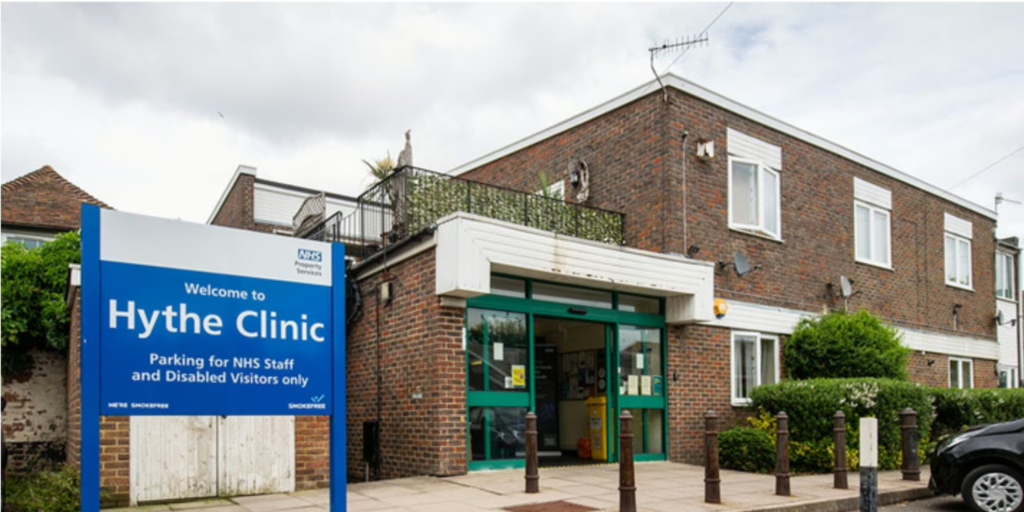
Your Hythe ear wax removal appointment is based at Hythe Clinic on Sun Lane. There is disabled parking right outside, and the clinic also has disabled access, which helps keep arrival straightforward.
Ear Wax Removal Hythe East Sussex Map, Location and Directions
You can get directions to our Microsuction Hythe East Sussex Location here. Just put in your location in the specified area and Google Maps should lead you to the clinic.
Hearing First Hythe
Sun Ln,
URL: https://www.hearingfirst.co.uk/book-ear-wax-removal-near-me/book-microsuction-ear-wax-removal-hythe/
Probably the best ear wax removal clinic in Hythe
– don’t just take our word for it – here are some of our many 5 star reviews:
Your First Visit to Hythe for Private Ear Wax Removal
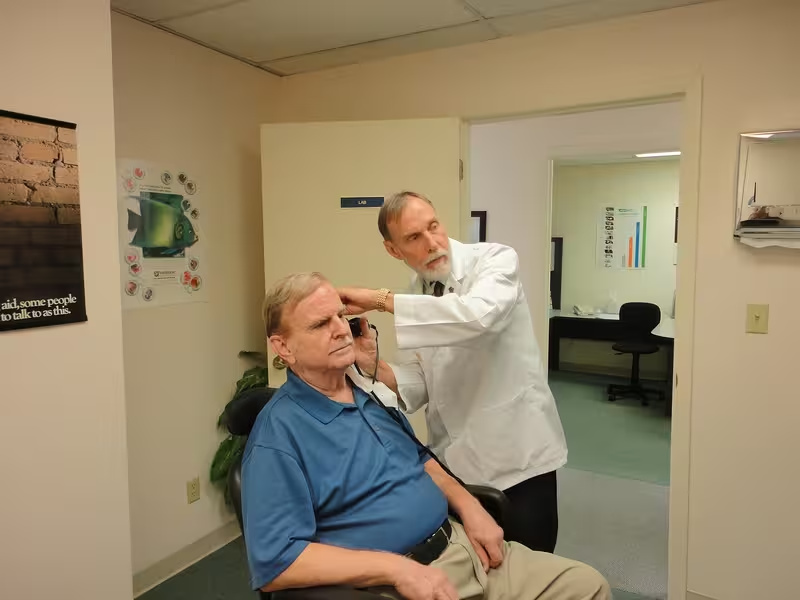
If this is your first microsuction appointment in Hythe CT21, it helps to know the visit is usually calm, appointment-led and built to be straightforward. People often choose private treatment when they want a quicker path than NHS ear wax services, especially if blocked ears, muffled hearing or pressure are starting to affect everyday life. The clinic on Sun Lane has free on-site parking and level access, so getting there is typically uncomplicated for visitors travelling from Hythe and nearby Kent villages. If you use mobility aids, or you simply like a little more time before being seen, plan for a relaxed arrival rather than trying to rush in at the last minute.
Microsuction is carried out by trained professionals using suction and close visual guidance. It is commonly used when earwax has become stubborn, impacted or uncomfortable, and it avoids flushing the ear with water. If you are coming for the first time, the main goal is to understand what will happen, feel prepared and know what to bring. That includes any relevant health details, notes on symptoms such as hearing loss or tinnitus, and being ready to explain whether one ear or both ears are affected.
How Microsuction Works, and Why Many People Choose It
Microsuction removes ear wax by using gentle suction under direct view, usually with a microscope or magnified light source. Many people prefer it because the practitioner can see the ear canal clearly, which is useful when wax is hard, compacted or close to the eardrum. Compared with ear syringing, there is no water flushing involved, so it can suit people who have had problems with irrigation before or who simply want a more controlled approach.
This treatment is often used for symptoms like reduced hearing, a blocked sensation, crackling sounds, earache caused by wax pressure, or a feeling of fullness. It can also help when hearing aids are no longer sitting comfortably because of build-up. In a private clinic, the process is usually organised around an appointment, with time set aside for an assessment before any wax is removed. For a first visit, the important thing to remember is that microsuction is usually quick, although the exact time depends on how much wax is present, how firm it is, how narrow the canal is, and whether one or both ears need attention.
Why Private Care Appeals to First-Time Patients
A private appointment can offer more predictable timing, which is useful if the problem has been building for weeks and you want a prompt answer. It also gives you space to ask questions before treatment begins, which can lower anxiety if you have never had ear wax removal before. If you have had ear surgery, a perforation, repeated infection or dizziness in the past, it is sensible to mention that ahead of time so the clinician can judge whether microsuction is suitable and how best to approach the session safely.
Arrange Your Microsuction Ear Wax Removal Visit, And Ease the Discomfort Caused by Ear Wax.
Our microsuction ear wax removal clinic in Hythe also serves clients in St Mary’s Bay, Romney Marsh, Newchurch, Folkestone, Saltwood, Seabrook, Palmarsh, Botolph’s Bridge, Sandgate, Pedlinge, Lympne, West Hythe, Dymchurch, Westenhanger, Beachborough, Stanford, Etchinghill, Postling, Sellindge, Burmarsh, Aldington, Bonnington, Bilsington, Stone Cross, Ruckinge, Mersham, The Forstal, Smeeth, Lilyvale, Brabourne Lees, Monks Horton, Broad Street, Newbarn, Stowting, Sixmile, Lymbridge Green, Bodsham, Newington, Arpinge, Frogholt, Peene, other towns and villages in Kent..
How to Prepare Before You Come In
There is usually very little to do before microsuction ear wax removal, but a few sensible steps can make the appointment smoother. If you wear hearing aids, it is worth checking whether you should take them out before you arrive. Bring them with you anyway, in case the clinician wants to look at fit or cleaning, and think about how long the symptoms have been present. Notes on pain, discharge, tinnitus, pressure, or a sudden change in hearing can all help shape the next step.
It is also sensible to avoid putting anything into the ear canal before your visit unless you have been told to do so. Cotton buds, oil drops and other home remedies can sometimes push wax further in or leave the canal more irritated. If you have been using softening drops, mention that on arrival, because it may change how much wax can be removed in one session. If your ears are sore, you have recently had an infection, or you are unsure whether you should attend, contact the clinic or booking provider for advice before you set off.
Simple Checks That Make the Visit Easier
- Write down any symptoms you want to mention, such as tinnitus, blocked hearing, dizziness or ear pressure, so nothing important gets overlooked.
- Bring recent ear history or medication details, especially if you have had infections, surgery or a perforated eardrum in the past.
- Plan a little extra time for parking, checking in and settling down, particularly if you have mobility needs or prefer not to feel rushed.
- Avoid putting cotton buds or tools into the ear, since these can worsen impaction and make removal harder.
- Remove or bring hearing aids as advised, because the clinician may need to assess how wax build-up is affecting their performance.
Microsuction and Ear Syringing Compared
Many people in North West London are finding that their local GP surgery no longer offers ear syringing, and that has pushed more people towards microsuction ear wax removal. Part of the appeal is practical, but part of it is safety, because ear syringing is generally considered less safe than ear microsuction. Side effects of ear syringing or irrigation can include ear infection, hearing loss, tinnitus and, in some cases, perforation of the eardrum, where the wax is pushed even more firmly against it. Is it any surprise that walk-in ear syringing in London is losing ground to microsuction? Demand has risen sharply, and NHS microsuction clinics are now often unable to keep pace, with waiting times frequently stretching beyond two to three months.
You do not need to wait months for micro suction. Going private can save time, and it may be more accessible than you expect. Simply visit our booking page and you could be on the way to clearing your wax blockage this week!
21 Fascinating Facts About Hythe
- One of the Least Commercialised Seaside Towns in Kent
Hythe has managed to retain its small-town charm and historical integrity, slow pace of life continue to attract those seeking a more authentic and relaxed English seaside experience., avoiding the overdevelopment and modernisation seen in many other coastal towns. Its peaceful seafront, and traditional High Street - The End Point of the Elham Valley Railway
The Elham Valley Railway once connected Hythe to Canterbury, operating from 1889 until its closure in 1947. It played a crucial role during both world wars, transporting military personnel and equipment. Remnants of the railway line, such as old embankments and bridges, are still visible in the surrounding countryside. - Microsuction Ear Wax Removal In Hythe
If you’re looking for the best ear wax removal clinic in Hythe, you found it. Hearing First Hythe is at the Hythe Clinic. You can click here to Book Microsuction Ear Wax Removal Hythe. - Part of the Saxon Shore
Hythe was historically included in the Saxon Shore, a network of Roman forts and settlements established to defend Britain’s eastern and southern coasts against Saxon raiders. The area’s strategic importance continued into the medieval period, shaping its identity as a Cinque Port and defensive stronghold. - The Martello Towers
Martello towers were built during the early 19th century to defend against potential Napoleonic invasion. Several of these small, round forts can still be seen along the Hythe coast, some of which have been converted into homes or used for storage, preserving their military heritage in a modern context. - St Leonard’s Tower is Over 100 Feet Tall
The massive stone tower of St Leonard’s Church dominates the skyline of Hythe and contains a rare ring of eight bells. Dating back to Norman times, the tower was likely constructed for both religious purposes and as a defensive lookout over the Channel. - The Royal Military Canal is 28 Miles Long
canoeing, Constructed between 1804 and 1809, observing diverse wildlife along its tree-lined banks., the canal was intended to slow down any French land invasion. Though it was never used in battle, and today it serves as a tranquil waterway ideal for walking - Hythe Was Once an Island
Geological and historical evidence suggests that in ancient times Hythe was surrounded by marshland and tidal inlets, effectively isolating it as a small island. Over centuries, silting and land reclamation connected it to the mainland, drastically altering its geography and economic focus. - Hythe Has a Unique Microclimate
Hythe often experiences milder winters and warmer, walkers, Due to its location near the sea and protection by the North Downs, those seeking a healthier coastal lifestyle., and drier summers than inland parts of Kent. This microclimate has made it a favoured spot for retirees - Old Fire Station is Now a Restaurant
Hythe’s former fire station has been transformed into a distinctive eatery, blending original architectural features such as the tall engine bay doors and red brickwork with modern interior design. It stands as a testament to the town’s creative repurposing of historic buildings. - It Was Bombed During the Blitz
Although not a primary target, damaging homes and public buildings, leaving a visible mark on its architectural evolution., and Hythe sustained damage during WWII bombings due to its proximity to strategic military sites. Several bombs fell on or near the town - Hythe Beach is a Mix of Shingle and Sand
The town’s beach is largely shingle above the high tide mark but reveals stretches of sand at low tide. This mix makes it ideal for a range of activities from paddling and beachcombing to sea fishing and kite flying, with breathtaking views of the Channel. - Historic Inns Date Back to the 14th Century
crooked beams, fireplaces that tell tales of their colourful pasts., such as The White Hart and The King’s Head, and still retain medieval cellars, Hythe’s inns and public houses, and offer centuries of history within their timbered walls. Many served travellers and smugglers - The Town Has Roman Roots
Archaeological digs around Hythe have uncovered Roman-era artefacts including coins, roofing tiles. These finds suggest that the area, and ceramics was inhabited or used by the Romans long before it became a medieval port and Cinque Port stronghold. - Hythe’s High Street is Largely Independent
antique dealers, quirky boutiques. This gives the town a strong sense of identity and a personal shopping experience that draws visitors year-round., artisan bakeries, Unlike many towns dominated by large retail chains, and Hythe’s High Street is filled with family-run shops - Close Ties to Sandgate and Folkestone
community projects. Together, cultural events, Hythe forms a coastal trio with neighbouring towns Sandgate and Folkestone, and all of which share historical ties, they offer a rich tapestry of attractions, from castles and military history to art festivals and beach activities. - Hythe Was Once a Major Salt Producer
Hythe’s tidal marshes and Salt was a valuable commodity in medieval England were ideal for its extraction. Salt pans and salterns near the coast provided income and trade opportunities, adding to the town’s wealth as part of the Cinque Port system. - Military Road Was Built for Efficiency
Built by the War Office in the 19th century, Military Road offered a direct connection between the School of Musketry and the coast. Its straight, wide design remains in use today and is a reminder of the town’s longstanding military significance. - Hythe Hill Offers Panoramic Views
The elevated land to the north of the town, the marshes beyond, and the English Channel. It’s a popular spot for dog walkers, nature lovers alike., photographers, provides sweeping views over the town, and often referred to as Hythe Hill or the escarpment - The Crypt is Open to the Public Seasonally
filled with thousands of neatly stacked bones, opens seasonally to visitors. It offers a unique glimpse into medieval attitudes toward death and burial, St Leonard’s ossuary crypt, and has fascinated historians and tourists for generations. - Hythe Is a Filming Location
and coastal scenery have made it a popular filming location for documentaries, period dramas, charming architecture, even international productions. Its atmospheric streets, and Hythe’s unspoilt High Street are ideal for evoking England’s historic past.
Parking and Access at the Hythe Clinic
Car Parks Near Hearing First Hythe
- Military Road Car Park, approximately 0.5 miles from Hearing First Hythe. View on Google Maps.
- Car parks in Shepway, approximately 0.5 miles from Hearing First Hythe. View on Google Maps.
- Eurotunnel Visitors CarPark, approximately 2.0 miles from Hearing First Hythe. View on Google Maps.
Parking information and place links are provided by Google Maps. Check restrictions and charges locally.
For many first-time visitors, practical access matters just as much as the treatment itself. The Hythe clinic has free on-site parking, which makes it easier to arrive without the hassle of searching for a space nearby. There are also several disabled parking bays opposite the entrance, so the walk from the car to the clinic door is shorter. That can be reassuring if you are travelling with a walking aid, recovering from illness, or simply want a calmer arrival.
The clinic is on the ground floor and has level access, so there are no steps to deal with at the entrance. For wheelchair users and anyone who struggles with stairs, that makes the appointment feel much more manageable. If you have a specific access need, it is sensible to mention it in advance so the clinic team can help you plan your arrival. A calm start can make the whole microsuction visit feel easier, especially if you are already dealing with ear pressure, reduced hearing or discomfort.
Things to Consider Before You Travel
Allow a little extra time if this is your first visit, as it gives you room to park, check in and settle before treatment starts. If you rely on someone to travel with you or provide support, think about how they will accompany you on arrival and whether you need a simple route from the car park to the entrance. A bit of planning can take the stress out of the journey and leave you free to focus on the consultation rather than the logistics.
A Straightforward Access Tip
Keep any mobility equipment within reach, and let the clinic know if you may need a moment to get comfortable before the assessment begins.
Why This Matters
When arrival feels calm and unhurried, it is easier to ask questions, talk clearly about wax build-up and move through the appointment with confidence.
Local Clinics Close By
Here are some other clinics near our Hythe location:
- Ashford: Private Microsuction Ear Wax Removal In Ashford TN24
- Hastings: Private Microsuction Ear Wax Removal In Hastings TN34
- Surbiton: Private Microsuction Ear Wax Removal In Surbiton KT6
What Happens During the Appointment
A typical microsuction appointment usually starts with a short discussion about your symptoms, ear health and any relevant medical background. The clinician then looks into the ear canal to check whether wax is present, how much there is, and whether the ear is suitable for suction. This first step matters because a blocked-ear feeling is not always caused by wax, and a careful look helps rule out other possibilities such as infection, inflammation or an issue with the eardrum. If microsuction is appropriate, the clinician then uses a suction device to remove the wax under direct vision.
Many people describe the experience as noisy rather than painful, because the suction can make a strong sound in the ear canal. Some people notice a light tugging feeling, but the process is usually brief. The exact sensation depends on the wax texture, the shape of the ear canal and how close the wax sits to the eardrum. Once the wax has been removed, the clinician may check the ear again to confirm the canal is clear and to see whether another session is needed. First-time patients often find it reassuring that the process is controlled, visible and, when things are straightforward, usually completed in one visit.
How Long the Process May Take
Simple cases may only take a short time, while harder wax or very narrow canals can take longer. If both ears need treatment, the appointment may also run for longer. It is sensible to arrive prepared to stay a little while, even though the removal itself is often efficient.
Disabled Parking
There are several disabled parking bays opposite the entrance
Microsuction Versus Syringing: the Practical Difference
Many patients arrive having heard about both microsuction and ear syringing, which is also known as ear irrigation. The methods are not the same. Syringing uses water to try to flush wax out, while microsuction removes wax by suction under direct vision. In a private clinic setting, microsuction is often preferred because it gives the practitioner more control and can be a better fit for compacted wax. People who have had a poor experience with irrigation before, or who simply want to avoid water in the ear canal, often feel more comfortable with suction-based removal.
There are situations where syringing may be less suitable, especially when there is a history of ear surgery, infection or a perforated eardrum. That is one reason a proper assessment matters before treatment begins. The right approach depends on the ear itself, not only on the symptom of blocked hearing. If you are deciding between the two, ask about your own ear health and the likely advantages and limitations of each option. A good first appointment should leave you clearer, not more uncertain.
Why Many People Prefer Suction-Based Removal
- It lets the clinician see the ear canal directly, which can improve precision when wax sits near the eardrum.
- It avoids flushing the ear with water, which some people prefer if they have had irritation or discomfort in the past.
- It can be a practical option when wax is dry, hard or tightly packed, making irrigation less effective.
- It often gives a clearer immediate view of whether the ear is clear at the end of treatment.
- It may suit people who want a quick private appointment rather than a longer wait for routine wax care.
Parking
There is ample free on-site parking available.
When to Share Extra Medical Information Before Booking
Most people can have microsuction without difficulty, but certain medical details should be shared before the appointment. If you have had ear surgery, a known perforated eardrum, a recent infection, ongoing discharge, sudden hearing change or severe dizziness, the clinician needs to know before treatment begins. These details help decide whether microsuction is appropriate and whether any extra care is needed. If you are unsure whether something is minor or important, mention it anyway. It is better to give too much relevant information than too little.
People with diabetes, a weakened immune system or a history of repeated ear problems may also benefit from discussing their background in advance. This is not about preventing treatment without reason, it is about making sure the appointment is safe and properly judged. Ear wax removal is routine, but ears are sensitive and small details can matter. A first visit is the right moment to ask whether the clinic needs any information from your GP, audiologist or previous ear specialist. Clear communication supports safer care and helps avoid unnecessary surprises on the day.
When to Delay and Seek Medical Advice First
If you have sudden hearing loss, severe pain, bleeding, discharge, spinning vertigo or signs of infection, do not treat the visit as a routine wax appointment. Seek the right clinical advice first, because those symptoms may need a different kind of assessment.
Further Information
You can find more information on ear wax removal in Hythe with Hearing First here.
What to Expect After Wax Removal
Research Catalogue Results for Ear Wax Removal
- The auricular cough reflex: lateralization, prevalence, procedural determinants, and the role of examiner handedness. - van de Loo J, Mayer M, Sharaf K, Eckel H, Jansen L, Klussmann JP, Luers JC., 2026.
- High-definition otoscopic device for humanitarian mission: how i do it. - Lechien JR, Maniaci A, Kipsang MJ, Kibor M, Vaira LA., 2025.
- Use of Castor Oil in Dermatology: A Narrative Review. - Girdler K, Cabatu A, Olds H, Potts GA., 2026.
Source: Europe PMC. These are bibliographic matches, not personalised medical advice or an endorsement of a treatment.
After microsuction, many people notice clearer hearing very quickly, especially if the blockage was the main reason their hearing seemed reduced. Some feel relief straight away, while others notice the change more gradually as they realise sounds are sharper and the blocked sensation has gone. It is also possible to feel a little sensitivity or mild fullness for a short time after the appointment, particularly if the ear canal was already irritated by impacted wax. That is usually temporary, but you should follow any aftercare advice the clinician gives you.
If the ear has been examined carefully and cleared, you may be advised to avoid putting anything into the canal and to watch for any ongoing pain or discharge. If the practitioner feels the ear still needs review, you may be told to seek further assessment or return for a follow-up. First-time patients often find it useful to think of the appointment as both treatment and check-up. The aim is not only to remove wax, but also to leave you with a better understanding of your ear health and what to do if symptoms return.
Signs That Deserve Further Attention
If hearing remains very poor after wax removal, or if pain, dizziness, discharge or ringing continues, it is sensible to seek further medical advice. Not every symptom is caused by wax, so ongoing problems should not be ignored.
Video: What Happens in Your Ear Wax Removal Hythe Appointment
Questions First-Time Patients Often Ask
It is completely normal to have questions before your first microsuction appointment. People often want to know whether the procedure will hurt, how long it will take, whether one ear or both ears can be treated, and whether they need to bring anything with them. The short answer is that experience varies from person to person, but the process is usually quick, controlled and focused on visual assessment. If wax is soft and easy to reach, removal can be swift. If the wax is hard, deep or affected by narrow ear anatomy, the clinician may need more time.
Another common question is whether the appointment is suitable for hearing aid wearers. In many cases it is, and clearing wax can help hearing aids fit and work better. Some patients also ask whether they need to use ear drops beforehand. That depends on the clinic's advice and the condition of the wax, so it is worth checking before you travel. The best first appointment is one where you feel informed, comfortable and able to ask practical questions without feeling hurried.
- Find out whether any pre-treatment softening drops are recommended for your situation, or whether you should avoid them.
- Confirm whether both ears will be examined, particularly if symptoms are mostly on one side but you are unsure about the other.
- Ask how the clinician will assess the ear before starting, so you know the appointment begins with a proper check.
- Check whether you should remove hearing aids before arrival or keep them with you for the consultation.
- Make sure you know who to contact if symptoms do not improve after treatment, especially if ear pain or discharge develops later.
Disabled Access
The clinic is located on the ground floor and there is level access.
Accessible Arrival at Hythe Clinic
For a more straightforward visit, the Hythe ear wax removal clinic is on the ground floor at Hythe Clinic on Sun Lane. Level access means visitors can enter without steps, which may be especially helpful for people using wheelchairs, walking aids or other mobility equipment.
Disabled parking bays are positioned opposite the entrance, helping to reduce the distance between the car and the clinic. If accessible access matters to you, it is sensible to allow a little extra time before your microsuction appointment so you can arrive comfortably and settle in.
The location also has free on-site parking, offering a practical option for patients travelling from Hythe and surrounding parts of Kent. If you have any individual access requirements or want to check arrangements before attending, contact the clinic or booking provider in advance.
Why the Hythe Location Works Well for Local and Nearby Patients
The Hythe clinic is a practical option for people living in the town and across nearby parts of Kent, especially if they want private ear wax removal without a long journey. Free on-site parking, disabled bays opposite the entrance and level access all make the visit easier to manage. That matters if you are travelling from Folkestone, Saltwood, Sandgate, Lympne or nearby villages and do not want the added hassle of central town parking. For first-time patients, a simple route to the appointment often makes the whole experience feel less daunting.
Choosing a local private clinic can also save time when blocked ears start affecting work, driving, conversation or hearing aid use. If you have been dealing with wax build-up for a while, a nearby appointment can be a more convenient way to move forward than waiting for a routine slot elsewhere. The setting is modest and straightforward, which suits a treatment focused on assessment, precision and symptom relief rather than a long clinic visit.
What Helps the Visit Feel Manageable
- Free on-site parking reduces pressure before the appointment and makes arrival easier for drivers.
- Ground-floor access helps patients who would rather avoid stairs or lifts on the day.
- Disabled parking bays close to the entrance support a shorter and more comfortable walk.
- Private appointments can offer a more predictable timetable than a walk-in option.
- A local Hythe setting can be simpler for people travelling from nearby Kent communities.
Booking Your Appointment
Because demand is high, private ear wax removal is available by appointment only. You can book an ear microsuction appointment here, or use the button below:
How to Book a Hythe Microsuction Appointment
Private ear wax removal in Hythe is available by appointment only because demand can be high. Booking ahead gives you a confirmed time for your ear microsuction visit and helps the clinic manage appointments for everyone attending.
Use the online Hythe booking page to choose an appointment, rather than relying on a walk-in visit. This is a convenient first step if ear wax build-up is causing a blocked-ear sensation, reduced hearing or general discomfort and you would like to arrange professional wax removal.
Before confirming your visit, review the booking information carefully and make sure the appointment location is suitable for your journey. If you are unsure whether microsuction is appropriate for your circumstances, or have symptoms that concern you, seek appropriate clinical advice and ask any relevant questions before booking.
How to Decide Whether to Book Now

If blocked hearing, wax pressure or recurring ear discomfort is interfering with daily life, booking a microsuction appointment can be a sensible next step. It is especially worth considering if over-the-counter efforts have not helped, if you wear hearing aids, or if you need a clearer route back to normal hearing for work or family life. Private ear wax removal can be a practical option when you want prompt attention and a set appointment time, rather than waiting for symptoms to settle on their own.
At the same time, it is important not to treat every ear problem as simple wax. Sudden hearing loss, severe pain, discharge, dizziness or fever need medical assessment before any wax removal is planned. For straightforward wax build-up, though, microsuction is widely used because it is targeted, visual and usually efficient. If you are booking for the first time, keep the focus on your symptoms, your ear history and any access needs, and allow the clinic to advise you on suitability. That approach gives you the best chance of a safe and useful visit.
If you are unsure whether your symptoms are due to wax, share the full picture before booking. A careful first conversation helps the clinic decide whether microsuction is appropriate, whether extra precautions are needed, and whether another type of assessment would be more suitable for you.