Safeguarding At East Finchley: Private Microsuction Ear Wax Removal In East Finchley N2
This Resource Last Updated on 14/10/2026 02:55

Our East Finchley ear wax removal clinic is based inside Cootes Pharmacy, directly opposite Co-op Funeral Care on High Road. There is limited free parking nearby apart from 2pm to 3pm, and the clinic is on the ground floor.
Ear Wax Removal East Finchley North London Map, Location and Directions
You can get directions to our Microsuction East Finchley Location here. Just put in your location in the specified area and Google Maps should lead you to the clinic.
Hearing First East Finchley: Ear Wax Removal & Hearing Aids
Located within Cootes Pharmacy,
URL: https://www.hearingfirst.co.uk/book-ear-wax-removal-near-me/book-microsuction-ear-wax-removal-east-finchley/
View Hearing First East Finchley - Ear Wax Removal & Hearing Aids on Google Maps.
Probably the best ear wax removal clinic in East Finchley – don’t just take our word for it – here are some reviews from our many happy clients:
How We Protect Your Hearing Care in East Finchley: Private Microsuction with Clinical Oversight
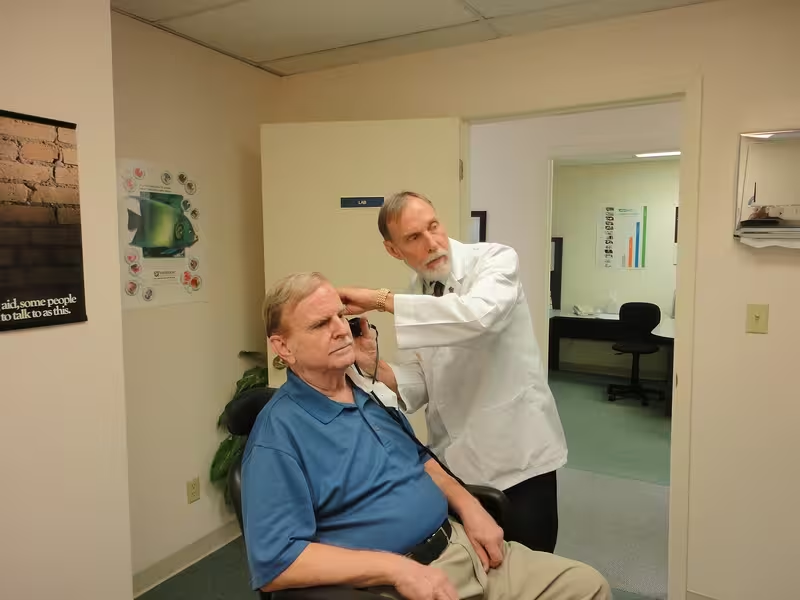
Research Catalogue Results for Ear Wax Removal
- The auricular cough reflex: lateralization, prevalence, procedural determinants, and the role of examiner handedness. - van de Loo J, Mayer M, Sharaf K, Eckel H, Jansen L, Klussmann JP, Luers JC., 2026.
- High-definition otoscopic device for humanitarian mission: how i do it. - Lechien JR, Maniaci A, Kipsang MJ, Kibor M, Vaira LA., 2025.
- Use of Castor Oil in Dermatology: A Narrative Review. - Girdler K, Cabatu A, Olds H, Potts GA., 2026.
Source: Europe PMC. These are bibliographic matches, not personalised medical advice or an endorsement of a treatment.
When ear wax begins to affect hearing, comfort or balance, it makes sense to choose a service that puts patient safety first. At East Finchley, private microsuction ear wax removal is presented as a clinician-led appointment rather than a casual procedure. That distinction matters, because the ear canal, eardrum and nearby tissue are delicate, and safe treatment depends on careful assessment, proper technique and a sound understanding of ear health. For many people, the reassurance comes not only from the clinical approach, but also from the convenience of private care. You know the person carrying out the procedure has training in ear anatomy, hearing assessment and symptom review, which helps lower avoidable risk. If you are dealing with muffled hearing, pressure, itching or discomfort, a qualified clinician can help decide whether wax is the cause and whether microsuction is the right option. That thoughtful first step is part of safeguarding, because a blocked-ear sensation does not always need the same response.
Why Clinical Training Matters Before Wax Removal
A trained audiologist can look beyond the wax itself and consider the wider picture, including any previous ear infections, perforations, hearing aid use and current pain or dizziness. That broader perspective supports safer decisions and better outcomes. It also allows the clinician to recognise when wax removal should wait, or when a different pathway may be more appropriate. In a private microsuction setting, the emphasis is on careful assessment, informed consent and a procedure that is adapted to the patient rather than rushed. This is especially helpful for people who have had difficult experiences with syringing, irrigation or over-the-counter remedies and now want a more controlled service.
More Information
You can find further details about our East Finchley ear wax removal clinic here.
How Audiologist-Led Microsuction Helps Protect Sensitive Ear Structures
Microsuction uses gentle suction under direct visual guidance to remove wax from the ear canal. Because the clinician can see the area being treated, it is generally regarded as a precise method compared with techniques that rely on flushing water into the ear. That precision matters when safeguarding the ear canal skin and the eardrum. Small changes in angle, pressure or positioning can make a real difference, so technique should never be treated as routine. A well-trained audiologist can adjust the procedure to suit the amount, texture and location of the wax, while also watching for signs that the ear is irritated or that treatment should pause. This careful approach is especially useful for people with narrow canals, hearing aids or a history of ear sensitivity. It can also help create a calmer experience for patients who feel anxious about ear wax removal. Safety is not only about equipment, it is also about the person using it and the judgement they bring to each appointment.
What Careful Assessment Usually Covers
- Communication is maintained throughout the procedure, so you can mention pain, dizziness or anxiety without delay.
- The clinician reviews your symptoms, recent hearing changes and any discomfort so the appointment starts with a clear picture of what is happening.
- Relevant medical history is considered, including ear surgery, recurrent infection or previous perforation, because these details can affect the safest method.
- The appearance of the ear canal is checked before treatment, which helps identify wax impaction, inflammation or other reasons to adjust the plan.
- The clinician can advise whether microsuction is suitable for one ear, both ears or whether another referral would be wiser.
Video: What Happens in Your Ear Wax Removal East Finchley Appointment
What Patients Should Expect from a Safer Microsuction Appointment
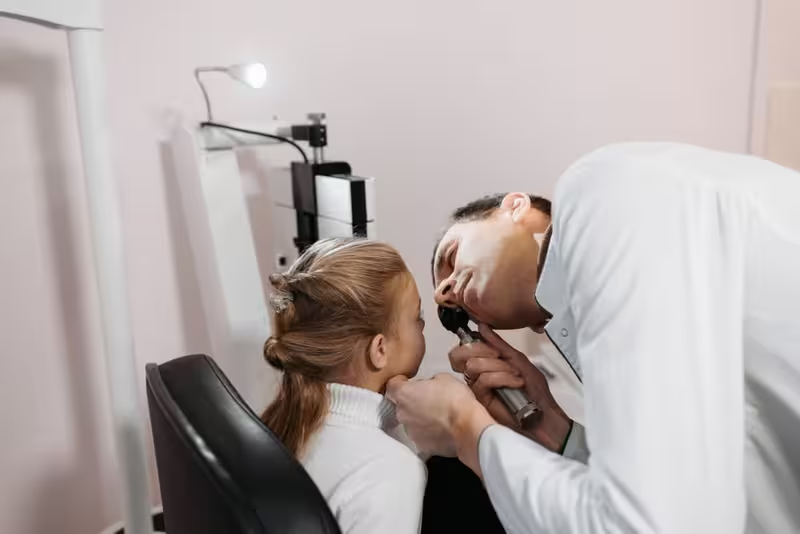
A well-run microsuction appointment should feel structured, calm and unhurried. The process usually starts with a discussion of your symptoms, followed by a visual examination of the ear canal. This helps the clinician decide whether wax is present and whether removal is the right choice. If treatment goes ahead, the microsuction device removes the wax while the ear is observed closely. Many patients appreciate that no water is introduced into the ear, which can feel more comfortable for some people and avoids the mess that can come with irrigation. Even so, comfort still depends on the individual ear and how much wax is present. If a blockage is hard, deep or in an awkward position, the clinician may use a staged approach rather than forcing the issue. That patient-led pace is part of good safeguarding practice. It reduces pressure on the ear, gives the patient time to respond and supports a better overall experience.
Signs the Appointment Is Being Handled Responsibly
Look for clear explanations, consent before treatment and a willingness to stop if you feel pain or dizziness. You should also expect the clinician to explain what they are seeing and why a particular approach is being used. A responsible provider does not promise instant results in every case, because ear health varies. Instead, they focus on what is appropriate for your ears on the day. That honest approach is a strong marker of clinical quality and patient safety.
When to Pause and Ask for a Review
If you notice significant pain, bleeding, fluid, strong dizziness or worsening hearing during the procedure, the clinician should stop and reassess. These are not symptoms to push through. A properly trained professional will recognise the need to review the ear rather than continue blindly, which is one reason audiologist-led microsuction can feel more reassuring than less supervised alternatives.
Microsuction Versus Ear Syringing
hearing loss, Many people in North West London are finding that their local GP surgery no longer offers ear syringing. No doubt this is partly due to a lack of funding, but also because ear syringing is inherently less safe than ear micro suction. Possible side effects of ear syringing or irrigation are ear infection, further impaction of the ear wax, perforation of the ear drum, and tinnitus(i.e. the ear wax gets pushed even harder against the ear drum). Is it any wonder that people are going off walk in ear syringing in London and are seeking out microsuction ear wax removal instead? Unfortunately, the sharp rise in demand has meant that NHS micro suction clinics are now unable to meet the need and waiting times are often over two to three months.
You no longer need to wait months for micro suction. Why not save time by going private? It’s not as expensive as you think. Simply go to our booking page and you could be saying goodbye to your wax blockage this week!
Fascinating Facts About East Finchley
- The Archer Statue
One of East Finchley’s most famous landmarks is the Archer statue atop the Underground station. Sculpted in 1940, it symbolises East Finchley’s historical role as a gateway to the countryside and a tribute to medieval hunters who once roamed the area. - Oldest Tube Station in Barnet
East Finchley Station is among the oldest on the Northern Line. Opened in 1867, the East Finchley station originally served steam trains before becoming an integral part of the Tube network we know today. - Haunted Railway Tracks
Local legends in East Finchley tell of a ghostly figure who wanders the old sidings at night. Some believe it’s the spirit of a railway worker who met a tragic end during the early days of East Finchley’s rail construction. - Ear Wax Removal in East Finchley
Ear wax removal is available from the experts at Hearing First East Finchley on Mondays at The Laboratory Spa in London NW4 near the Fiveways Interchange, with easy access from the A1, A41 and M1 and abundant free onsite parking. Click here to book now. - Cherry Tree Wood
East Finchley’s Cherry Tree Wood was once part of the ancient Finchley Wood, a vast forest that covered much of North London. Today, East Finchley locals enjoy it as a beloved green space with a rich, leafy past. - George Michael’s Roots
Pop icon George Michael lived in East Finchley during part of his childhood. His experiences growing up around East Finchley influenced his later music and inspired his connection to London life. - The Phoenix Cinema
East Finchley is proud to host the Phoenix Cinema, one of the oldest continuously operating cinemas in the UK. Built in 1910, the East Finchley landmark remains a beloved cultural treasure, still showing films today. - The Secret Tunnels
Beneath East Finchley lie disused tunnels from wartime, rumoured to have been used for air raid shelters. Some say the tunnels under East Finchley station stretch far beyond what the public ever realised. - Artists’ Haven
In the 20th century, East Finchley became a haven for artists and writers seeking affordable homes near London. East Finchley’s quiet leafy streets still attract creatives to this day. - The First Solar-Powered Tube Station
East Finchley Station was one of the first to experiment with solar panels during an early environmental trial in the 1970s, showing East Finchley’s forward-thinking spirit. - The Elephant in the Garden
A local myth tells of a circus elephant that once escaped and was found wandering East Finchley gardens. Though likely exaggerated, it’s a story East Finchley families love to pass down. - The East Finchley Murals
Murals under the East Finchley bridge celebrate community spirit and local history. These colourful artworks have become a vibrant expression of East Finchley’s proud identity. - Spike Milligan’s Grave
The famous comedian Spike Milligan, who lived nearby, is buried in East Finchley’s St Thomas à Becket Churchyard. His headstone famously reads, “I told you I was ill,” making East Finchley home to one of the wittiest graves in England. - The Finchley Pudding Race
East Finchley hosted its own Pudding Race in the 1980s, where residents would race while balancing a pudding on a tray. Though rare today, the East Finchley event remains a fond memory for many. - Fairy Lights in Cherry Tree Wood
Some say that on certain summer nights, the woods near East Finchley shimmer with unexplained lights — believed by romantics to be fairies visiting Cherry Tree Wood. - The East Finchley Clock Tower
A lesser-known feature, East Finchley’s small clock tower near High Road has long been a meeting point, witnessing decades of change in the bustling East Finchley community. - Gothic Architecture Hidden Gems
East Finchley hides several Gothic Revival houses built during the Victorian era. Walking East Finchley’s backstreets can feel like stepping into a forgotten Gothic novel. - Secret Poetry Society
In the 1960s, a secret poetry club met in a small East Finchley café, attracting some of London’s most experimental writers who performed under pseudonyms. - World War II Bomb Shelters
During WWII, East Finchley had several public air raid shelters. Some remain bricked up and hidden under today’s parks and car parks, silent witnesses to East Finchley’s wartime resilience. - The Lost Village Well
Before modern plumbing, East Finchley relied on a village well. Though now lost, it once stood near what is today the busy East Finchley High Road, providing vital water for the growing hamlet.
Why East Finchley Patients Choose Private Ear Wax Removal

For many people, private microsuction offers a quicker and more controlled route to ear wax removal than waiting for limited NHS availability. That does not mean the aim is speed alone. The real value lies in having a scheduled appointment with a clinician who can focus on one patient at a time. In East Finchley, that can be especially useful for anyone balancing work, caring responsibilities or travel constraints and needing a predictable appointment. Private care can also give you more time to ask questions about blocked ears, tinnitus, hearing aid maintenance or recurring wax build-up. Because wax problems can vary from one visit to the next, the chance to speak directly with an audiologist can make the process feel less stressful and more informative. For patients who have put off treatment because they were unsure what was causing their symptoms, an appointment-led service gives a clear next step. The blend of convenience, clinical oversight and individual attention is what makes the service appealing to many local patients.
Common Reasons People Seek Help Sooner
- They feel a blocked or full sensation in one or both ears, which can be unsettling and may not settle on its own.
- They notice muffled hearing that affects conversations, phone calls or television volume, and they want a prompt explanation.
- They wear hearing aids and suspect wax is affecting sound quality, fit or feedback.
- They prefer audiologist-led care because it feels more reassuring than a quick, anonymous walk-in service.
- They have experienced ear discomfort after trying home remedies and want a safer professional assessment.
Disabled Access
Published Accessibility Features
- Wheelchair-accessible entrance
Accessibility details are provided by Google Maps. Contact the location to confirm individual requirements.
The clinic is on the ground floor and there is level access.
Parking, Access and Practical Planning for Your Visit
Car Parks Near Hearing First East Finchley
- Parking lot, approximately 0.8 miles from Hearing First East Finchley. View on Google Maps.
- Parking lot, approximately 0.5 miles from Hearing First East Finchley. View on Google Maps.
- Parking lot, approximately 0.8 miles from Hearing First East Finchley. View on Google Maps.
Parking information and place links are provided by Google Maps. Check restrictions and charges locally.
Practical details matter when you are attending a healthcare appointment, especially if your hearing feels reduced or you are already uncomfortable. The East Finchley clinic information indicates that parking is available nearby, with limited free parking at certain times and Pay by Phone options in the local area. There is also provision for blue badge holders to park on double yellow lines for a limited period, which may help some patients plan their journey more confidently. The clinic is on the ground floor with level access, which is important for people who have mobility concerns, use walking aids or simply prefer a straightforward arrival. These details support a calmer visit because you can focus on the appointment itself rather than navigating steps, steep access or unclear parking rules. If you are arranging microsuction for the first time, it can help to allow extra time for travel and arrival, particularly if you are anxious about the procedure or travelling with a companion.
Simple Planning Tips Before You Travel
- Check the local parking restrictions before setting off, so you do not feel rushed on arrival and can focus on the appointment.
- Allow a little extra time if you rely on public transport, especially if you want to arrive settled rather than flustered.
- If mobility is a concern, note that the clinic has ground floor, level access, which can make attendance easier.
- Bring any relevant hearing aids, recent ear history or symptom notes if you think they may help the consultation.
- If you are unsure about parking, access or timing, resolve those questions before the day of the appointment.
Nearby Clinics
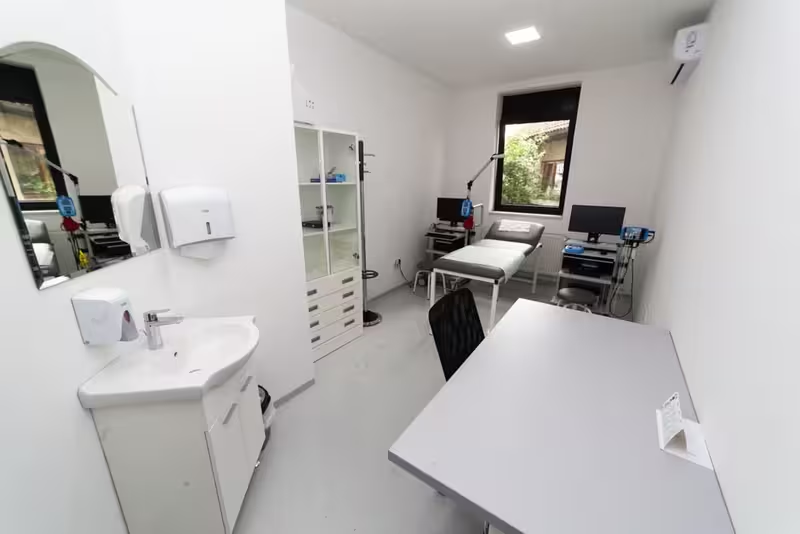
Here are some of our nearby clinics:
- East Finchley: Private Microsuction Ear Wax Removal In East Finchley N2
- Barnet: Private Microsuction Ear Wax Removal In Barnet EN5
- Colindale: Private Microsuction Ear Wax Removal In Northwest London
- Mill Hill: Private Microsuction Ear Wax Removal In North West London
- Edgware: Private Microsuction Ear Wax Removal In North London
- Hendon: Private Microsuction Ear Wax Removal In North West London
How to Prepare for Safer Ear Wax Removal in East Finchley
A little preparation can make your microsuction appointment smoother and more useful. Before you attend, think about when your symptoms started, whether one ear is worse than the other and whether anything has made the problem better or worse. This information helps the audiologist decide whether the wax is likely to be the main issue or whether another cause should be considered. It is also sensible to mention previous ear surgery, past perforation, repeated infections or problems with vertigo. These details matter because they can affect how the ear is treated and whether a different approach is safer. If you use hearing aids, note whether you have had more feedback or reduced clarity than usual. Patients sometimes assume these changes are minor, but they can provide useful clues. Good safeguarding starts before the procedure itself, with a careful conversation that supports informed consent and appropriate treatment. Preparation is simple, but it can improve the quality and safety of the whole visit.
Helpful Items to Think About Before Your Appointment
It can be useful to write down the main symptoms in plain language, such as blocked hearing, fullness, itching, pain or reduced clarity. That short note can help you explain things clearly if you feel nervous in the appointment.
When Preparation Should Include Extra Caution
If you have a history of eardrum problems, recent infection, discharge or significant dizziness, mention it early. Those details help the clinician decide whether microsuction is suitable and whether the appointment should proceed in the usual way. Good ear care depends on honest information and a cautious clinical approach.
Appointment Booking
Due to high demand, private ear wax removal is by appointment only. You can book an ear microsuction appointment here, or click on the button below:
Plan Your East Finchley Microsuction Appointment
Private ear wax removal at the East Finchley clinic is available by appointment, reflecting the stated high demand for this service. Booking in advance gives you the opportunity to choose a suitable time and prepare for a focused microsuction consultation. It can be particularly helpful for anyone whose hearing feels affected by a suspected wax blockage and who would prefer a planned visit rather than relying on a walk-in service.
- Use the clinic's booking link to request an ear microsuction appointment.
- Provide accurate contact details and mention any relevant ear symptoms or concerns when prompted.
- Before travelling, confirm the appointment details and allow enough time for your journey to the High Road location.
When preparing to attend, consider noting when your symptoms began and whether you have noticed changes such as muffled hearing, fullness or discomfort. This practical information may help you explain your situation clearly. If you have a question about suitability, appointment arrangements or what to expect, contact the provider before booking so that you can make an informed decision.
Microsuction Compared with Ear Syringing: Safety Considerations for Patients
Many patients now ask about the difference between microsuction and ear syringing because the two methods are not the same in terms of technique, control or suitability. Microsuction uses direct vision and suction to remove wax, while syringing or irrigation introduces water into the ear canal. Some people tolerate irrigation well, but it is not the safest choice for everyone, particularly where there is a history of ear disease, a perforated eardrum or a sensitive ear canal. The East Finchley page presents microsuction as the preferred route because it is more controlled and, for many patients, more precise. That does not mean every case is straightforward. The audiologist still has to judge whether the wax is soft, dry, compacted or close to the eardrum, and whether the patient can remain comfortable during treatment. A good provider will explain the reasoning rather than assuming one method suits all. That is an important part of safeguarding, because safe treatment depends on individual assessment rather than habit.
Questions Worth Asking Before Treatment
- Have you checked whether I have any history that could make irrigation less suitable or more uncomfortable?
- Is microsuction appropriate for my ears, or are there reasons why another option would be safer today?
- What should I expect if the wax is hard, deeply impacted or difficult to remove in one visit?
- How will you reduce the risk of discomfort during the procedure, and what happens if I feel unwell?
- What aftercare should I follow if my ears feel sensitive once the wax has been removed?
Safe, Comfortable Ear Wax Removal with an Audiologist in Your Local Area
Your ears and hearing are delicate and their care should be in expert hands. Some providers delegate ear wax removal to lay people, viewing it as a routine procedure. However, we believe it requires the skill and expertise of a trained Audiologist.
ensuring that your ears are cared for by a specialist with in-depth knowledge of ear anatomy and physiology. This minimises the risk of injury and ensures a safe, only qualified Audiologists perform ear wax removal, effective procedure tailored to your needs. Your hearing is too important to leave to chance, At our clinic, and we are committed to providing the highest standard of care.
Specialist Ear Care with Audiologist-Led Microsuction
Ear wax removal involves working in and around sensitive ear structures, so professional assessment and a careful approach matter. This East Finchley clinic explains that treatment is carried out by qualified Audiologists, rather than being delegated as a routine task. For people experiencing a blocked-ear sensation, reduced hearing or discomfort that may be linked to wax, choosing an audiology-led appointment can offer added reassurance.
An Audiologist's understanding of ear anatomy and physiology supports a treatment approach tailored to the individual. Before proceeding, it is sensible to share relevant symptoms, previous ear problems and any concerns you may have. This helps ensure that microsuction ear wax removal is considered appropriately for your circumstances and that you can ask informed questions about the process.
Safe, comfortable care begins with clear communication. If you are unsure whether ear wax is contributing to your symptoms, arrange an appointment and discuss your needs with the clinician. Professional ear care can help you take a considered next step towards clearer hearing and greater day-to-day comfort.
Aftercare and What Safe Recovery Can Look Like

After microsuction, many people notice clearer hearing quite quickly, but the ear canal may still feel a little sensitive for a short time. That is usually because the skin inside the ear is delicate and may have been irritated by the wax or by the removal process itself. A careful clinician should explain what is normal and what is not, so you know how to respond if your ear feels unusual later in the day. Safe aftercare is part of the service, not an optional extra. It may include advice on keeping the ears dry if they feel tender, avoiding cotton buds and watching for ongoing pain or discharge. If your symptoms do not improve, or if hearing remains reduced after wax removal, further assessment may be needed. That is another reason why a clinician-led service matters, because the appointment should end with clear guidance rather than uncertainty. The aim is not only to remove wax, but to leave you informed, reassured and able to look after your ears properly afterwards.
What to Do If Symptoms Persist
If your hearing does not return to normal straight after treatment, or if you notice unexpected pain, fluid or ringing, contact the clinic for advice. Not every symptom means something is wrong, but persistent changes should not be ignored. A professional follow-up helps make sure nothing has been missed and supports safer ear health over time.
Parking
There is limited free parking (except between 2pm to 3pm) not too far from the clinic, as well as Pay by Phone parking near the clinic
Who May Benefit Most from Audiologist-Led Microsuction
Some patients are especially likely to benefit from an appointment with an audiologist rather than relying on general advice or home remedies. This includes people with hearing aids, because wax can interfere with sound quality and device performance. It also includes people with narrow ear canals, recurring wax build-up, past ear infections or a history of sensitivity to water in the ear. Those who have felt anxious about ear procedures may also prefer a calm, clinician-led appointment where questions are welcomed and the process is explained step by step. In those situations, safeguarding means more than avoiding injury, it means choosing an approach that suits the person as well as the ear. Audiologist-led microsuction provides the opportunity to assess the ear carefully and make decisions based on clinical findings, not assumptions. That combination of expertise and individual attention is one reason private ear wax removal can feel more reassuring for many patients in East Finchley and the surrounding North London area.
Situations Where Extra Caution Is Sensible
- Previous ear surgery can change the anatomy of the ear canal, so it is important that the clinician knows about it in advance.
- People prone to dizziness may need a gentler pace and a clear explanation of what may happen during suction.
- Ongoing ear pain, discharge or recent infection should be discussed before treatment begins, because these symptoms may affect suitability.
- If you have had poor experiences with syringing before, say so, because it may influence the safest method on the day.
- Users of in-ear hearing devices often need advice that takes their daily hearing needs into account, not just wax removal alone.
Book Your Microsuction Ear Wax Removal Appointment Today, And Say Goodbye to the Discomfort of Ear Wax.
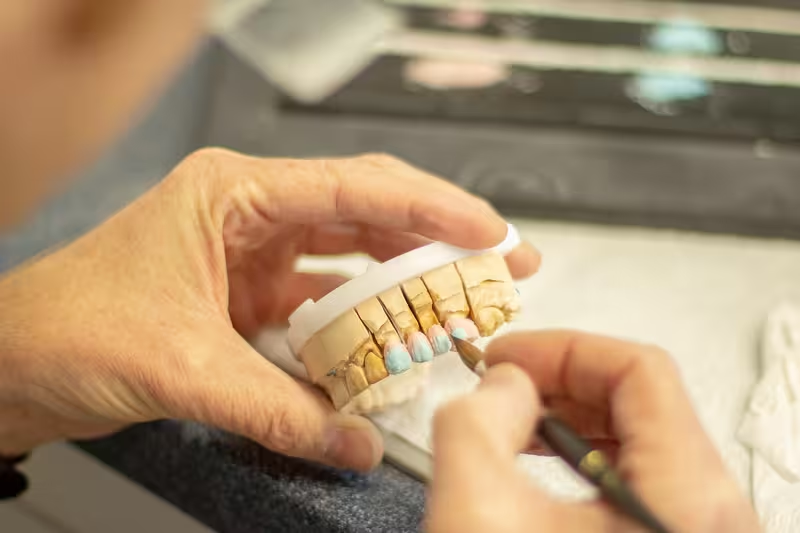
Our microsuction ear wax removal clinic in East Finchley also serves clients in Muswell Hill, Hampstead Garden Suburb, Finchley, Whetstone, Church End, Golders Green, Highgate, Hendon, Mill Hill, Barnet, Crouch End, Hornsey, Harringay, Southgate, Arnos Grove, Osidge, Wood Green and Tottenham.
Why Clear Communication Is Central to Patient Safety
Good ear care is built on communication. Patients should feel able to explain symptoms, ask questions and say if something feels uncomfortable. The clinician, in turn, should explain what they are doing, what they can see and why they are choosing a particular technique. That two-way discussion helps reduce anxiety and supports informed consent. It also matters because ear wax can sometimes mask other issues, such as infection, irritation or a more complex cause of hearing change. A clinician who listens carefully is better placed to identify those possibilities and act appropriately. In a private East Finchley setting, this sort of conversation is part of the service quality, not a bonus. It helps the patient feel respected and involved, which is especially important when dealing with a sensitive area like the ear. Safe microsuction is not simply a procedure, it is a supervised clinical interaction where good judgement and clear explanations protect the patient at every stage.
What Respectful Care Sounds Like
It sounds like the clinician checking how you feel before starting, explaining the plan in plain English and pausing if you need time. It also sounds like honest advice if the ear is not ready for treatment or if another route would be more suitable. That kind of openness is reassuring because it shows the focus is on the patient, not just on completing the appointment.
Disabled Parking
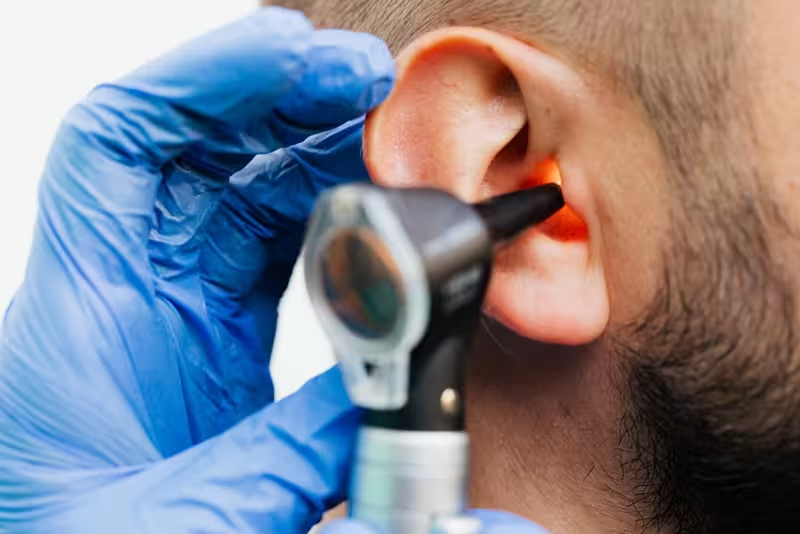
Disabled clients with a blue badge can park on double yellow lines for up to 3 hours.
Choosing Private Microsuction in East Finchley for a Safer, Calmer Experience
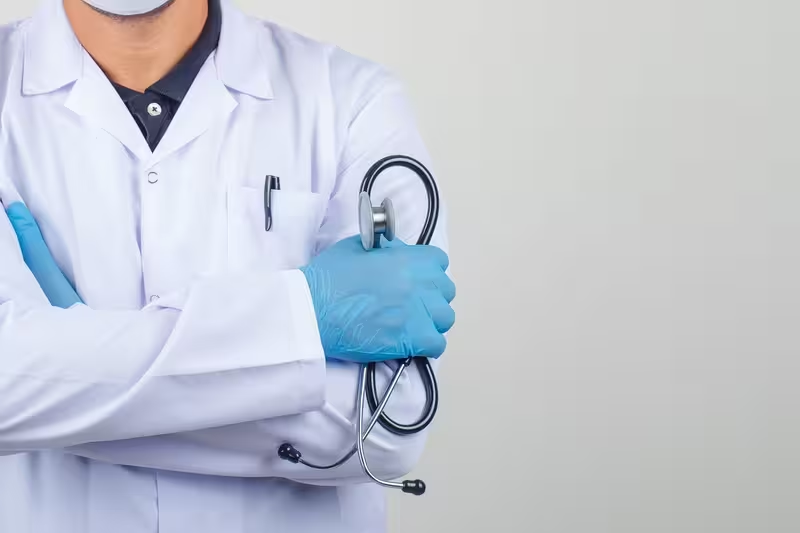
For people living in East Finchley and nearby North London areas, private microsuction can offer a practical and reassuring solution when ear wax is affecting daily life. The service is most valuable when it combines clinical skill, careful assessment and a calm appointment structure. That combination supports both safety and comfort, especially for patients who want a proper explanation rather than guesswork. A qualified audiologist can assess whether wax is the real cause of blocked hearing, decide if microsuction is appropriate and carry out the procedure with close attention to the ear canal and eardrum. For anyone who has delayed treatment because they were unsure whom to trust, that level of oversight can make a real difference. Ear health is too important to leave to chance, and the safest services are usually the ones that take time to assess, explain and act cautiously. If you are considering treatment, choose a provider that treats microsuction as a clinical procedure, not a quick task, and you are more likely to feel informed, safe and at ease throughout the process.
What Good Safeguarding Looks Like in Practice
It means the clinician listens, examines first, explains clearly and adapts the treatment if needed. It also means recognising when to stop, when to refer and when a second appointment is more appropriate. Those habits are what make private ear wax removal feel genuinely professional and patient centred.