In-Depth Exploration of Different Types of Hearing Aids
Unlock the Advantages of Behind-the-Ear (BTE) Hearing Aids
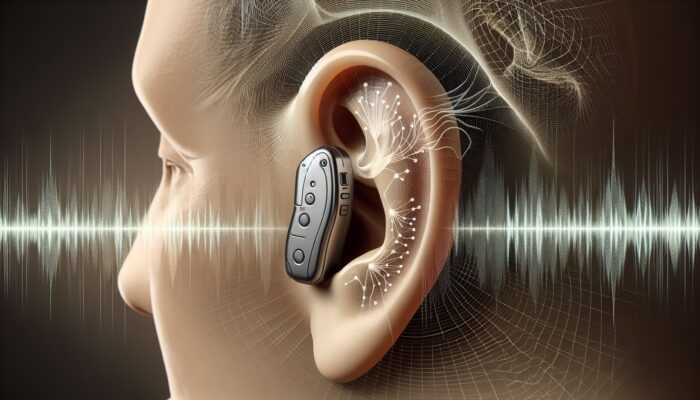
Behind-the-ear (BTE) hearing aids are remarkably versatile devices designed to rest comfortably behind the ear. These hearing aids are connected to a custom-fitted earpiece through a slender tube, making them suitable for a wide spectrum of hearing loss, from mild to profound. One of the most significant benefits of BTE hearing aids is their exceptional amplification capabilities, which can dramatically enhance sound clarity and volume. This feature proves invaluable for individuals who may struggle to hear in complex auditory environments, such as crowded places. Furthermore, BTE models are user-friendly and easy to operate, making them a preferred choice among seniors and individuals who might find more complex devices challenging to handle.
BTE hearing aids often come equipped with state-of-the-art features such as Bluetooth connectivity, enabling users to stream audio directly from smartphones, televisions, and other compatible devices. This functionality is particularly advantageous for those who enjoy multimedia experiences but encounter difficulties when trying to hear through standard speakers. Additionally, the larger design of BTE hearing aids typically accommodates longer battery life compared to more compact models, ensuring users benefit from extended functionality and convenience throughout their day.
Moreover, BTE hearing aids offer extensive customisation options. Users can choose from a broad array of colours and styles, allowing them to express their individual personalities while enjoying improved hearing capabilities. As a result, BTE hearing aids not only serve a practical purpose but also empower users to maintain their unique identities and sense of style.
Reap the Benefits of Discreet In-the-Ear (ITE) Hearing Aids
In-the-ear (ITE) hearing aids are expertly crafted to fit snugly within the outer ear, providing a subtle solution for individuals facing varying degrees of hearing loss, from mild to severe. Each device is custom-made to conform to the unique shape of the user’s ear, ensuring both comfort and an aesthetically pleasing appearance. This design allows for ease of use while minimising the visibility of the hearing aid, making it an excellent choice for individuals who prioritise aesthetics without compromising on functionality.
Contemporary ITE hearing aids are equipped with advanced technologies that significantly enhance sound quality. Many modern models incorporate noise reduction technology, which effectively filters out unwanted background sounds, thereby improving speech clarity in bustling or noisy environments. This feature is especially beneficial in social situations, where clear communication is paramount. Additionally, ITE models often include directional microphones, enabling users to easily identify the source of sounds, further enriching their auditory experience and enhancing engagement in conversations.
Another notable advantage of ITE hearing aids lies in their intuitive controls, which users can easily adjust. Certain models offer programmable settings that allow users to fine-tune their hearing experience based on specific environments, such as quiet rooms or lively restaurants. This level of personalisation ensures that wearers can enjoy an enhanced auditory experience tailored to their individual lifestyles and preferences.
Discover the Unique Benefits of Completely-in-Canal (CIC) Hearing Aids
Completely-in-canal (CIC) hearing aids are celebrated for their virtually invisible design, as they fit deeply within the ear canal. This discreet placement makes them an attractive option for individuals who value aesthetics while still requiring significant auditory support. CIC devices cater to those experiencing mild to moderate hearing loss, and their custom fit ensures comfort and stability during daily activities, allowing users to navigate their lives with confidence.
Despite their compact size, CIC hearing aids do not skimp on functionality. Many of these devices are outfitted with cutting-edge features, including digital signal processing and feedback cancellation, which deliver clear sound while minimising unwanted whistling noises. Moreover, the proximity of CIC hearing aids to the eardrum enhances sound quality, providing a more natural listening experience that makes daily interactions more enjoyable.
However, potential users should keep in mind that CIC hearing aids come with certain limitations. Their small design may restrict some features available in larger models, such as Bluetooth connectivity or extended battery life. Therefore, it is essential for users to evaluate their specific requirements and preferences when selecting a hearing aid style. Consulting with a qualified hearing specialist can aid in determining whether a CIC model aligns with their individual hearing needs.
Explore the Adaptability of Receiver-in-Canal (RIC) Hearing Aids
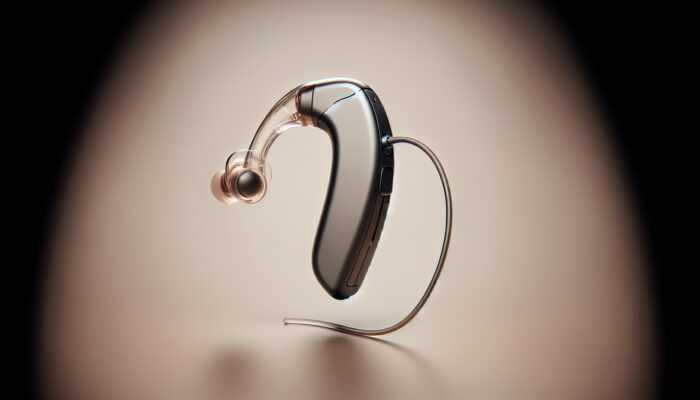
Receiver-in-canal (RIC) hearing aids represent a harmonious synthesis of the advantages offered by both BTE and ITE models. They consist of a compact behind-the-ear component connected to a receiver that resides within the ear canal. This design fosters a discreet appearance while providing exceptional sound quality and amplification capabilities. RIC hearing aids accommodate a broad spectrum of hearing loss levels, making them a versatile choice for a diverse array of users seeking effective auditory solutions.
One of the most noteworthy features of RIC hearing aids is their superior sound quality. The receiver positioned within the ear canal captures sound more naturally, significantly enhancing the overall listening experience. Additionally, many RIC models come equipped with advanced technologies, such as automatic sound adjustment systems that adapt the hearing aid based on surrounding noise levels. This functionality ensures users enjoy an optimal auditory experience, whether they are at home, in a crowded café, or attending a lively concert.
RIC hearing aids also embrace modern connectivity options. Numerous models support Bluetooth technology, allowing users to stream audio directly from compatible devices. This feature caters to the rising demand for seamless integration with smartphones, tablets, and televisions. Moreover, the open-ear design of RIC aids often creates a more natural sound environment, enabling users to engage in conversations without feeling isolated or disconnected from their surroundings.
Understanding the Key Components of Hearing Aids
The Vital Role of Microphones in Hearing Aids
The microphone is a fundamental component of hearing aids, serving as the primary interface between the user and their auditory surroundings. It captures sound waves from the environment and converts them into electrical signals for further processing. The quality and strategic placement of microphones significantly influence the device’s performance, as they must accurately detect a vast array of sounds, ranging from soft whispers to loud noises.
Most modern hearing aids are equipped with multiple microphones to enhance sound capture capabilities. Directional microphones, in particular, are invaluable as they focus on sounds originating from in front of the user while minimising background noise from other directions. This design proves especially beneficial in challenging listening environments, such as crowded restaurants or busy streets, where users need to concentrate on conversations without distraction or confusion.
The integration of advanced technologies has led to the development of adaptive microphones capable of adjusting their sensitivity based on the user’s environment. For instance, in quieter settings, the microphones may pick up softer sounds, while in louder scenarios, they may prioritise speech, ensuring that users experience optimal sound quality regardless of their surroundings. These innovations empower users to navigate diverse auditory landscapes, greatly enhancing their overall listening experience.
The Significance of Amplifiers in Hearing Aids
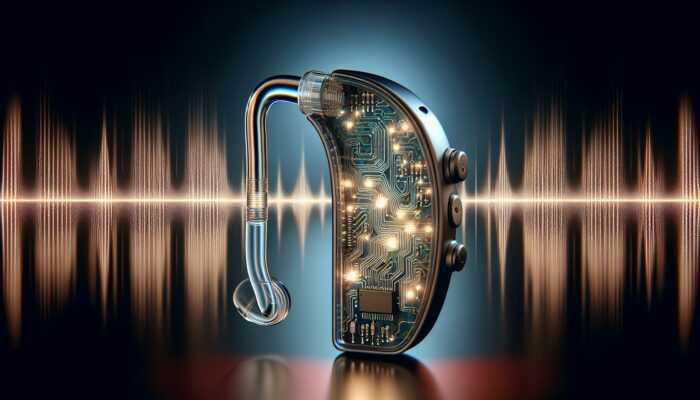
The amplifier serves a crucial role in hearing aids by boosting the strength of electrical signals generated by the microphone. This amplification process is vital as it transforms the captured sounds into clear audio that users can hear. The effectiveness of the amplifier directly impacts the quality of sound reproduction, making it an essential component for individuals with hearing loss seeking clarity and understanding in their auditory experiences.
Modern hearing aids utilise sophisticated amplification technologies that allow for customizable settings tailored to individual preferences and needs. Users can adjust amplification levels according to their specific hearing loss patterns, ensuring they receive the appropriate amount of sound enhancement. This level of personalisation is key to ensuring that users feel both comfortable and confident while engaging with their auditory environment, enhancing their overall quality of life.
Furthermore, advancements in digital signal processing have significantly improved amplifier functionality. Many devices now feature automatic gain control, which adjusts amplification based on surrounding sound levels. This means users can enjoy a consistent auditory experience, whether they are in a quiet room or a bustling outdoor setting, resulting in improved clarity and comfort that allows them to participate in conversations and social interactions with greater ease.
Exploring the Function of Speakers in Hearing Aids
The speaker, often referred to as the receiver in hearing aids, is responsible for converting the amplified electrical signals back into sound waves that users can hear. This component is integral to the overall performance of hearing aids, as it determines the quality and clarity of the sound output. The positioning and type of speaker can significantly affect the listening experience, making it a crucial part of the device’s design and functionality.
Advanced hearing aids typically feature speakers designed to produce high-fidelity sound. These speakers are engineered to minimise distortion, ensuring users receive a natural and accurate representation of the sounds in their surroundings. The quality of the speaker directly influences how users perceive speech and other vital sounds, making it essential for effective communication and overall auditory satisfaction.
Moreover, many modern hearing aids incorporate multiple speakers to optimise sound delivery. This multi-speaker system enhances sound separation and clarity, particularly in challenging listening situations. Utilizing innovative technologies such as feedback cancellation systems further improves speaker performance, ensuring users enjoy a pleasant auditory experience without the discomfort of whistling or distortion, allowing for more natural and enjoyable conversations.
How Hearing Aids Function: A Detailed Examination
The Sound Processing Mechanism in Hearing Aids
Sound processing is a fundamental aspect of how hearing aids operate, transforming incoming sounds into clear auditory signals. The primary aim of sound processing is to enhance speech intelligibility while effectively reducing background noise. This capability is especially crucial for individuals with hearing loss, as they may struggle to distinguish speech in noisy environments, making it challenging to engage in conversations.
Modern hearing aids employ sophisticated sound processing algorithms that analyse incoming sounds in real-time. These algorithms identify various sound patterns, allowing the device to prioritise speech frequencies while filtering out less relevant noises. For example, in a bustling café, the hearing aid can focus on the voice of a conversation partner while minimising the clatter of dishes and background chatter, thereby providing users with a significantly improved listening experience.
Additionally, advanced sound processing capabilities enable hearing aids to adapt seamlessly to different acoustic environments. Many devices come equipped with automatic settings that adjust sound processing based on the user’s surroundings. This means that whether the user is at home, in a meeting, or attending a concert, the hearing aid can optimise its performance for the best auditory experience. Such versatility is essential for fostering effective communication and social engagement among users with hearing loss, enriching their interactions with the world around them.
Diving into Digital Signal Processing (DSP) Technology in Hearing Aids
Digital signal processing (DSP) technology has transformed the functionality of hearing aids, enabling them to analyse and modify sound signals in real-time. DSP allows hearing aids to perform complex calculations swiftly, enhancing sound quality and user experience. This technology is particularly valuable for individuals with hearing loss, as it addresses various auditory challenges in a highly effective manner.
One of the primary advantages of DSP is its capacity to create customised sound profiles based on individual hearing needs. Through thorough audiological assessments, audiologists can program hearing aids to match the user’s unique hearing loss characteristics, ensuring that the amplification provided is tailored specifically to their requirements. This level of personalisation significantly enhances speech clarity and overall auditory comfort, allowing users to engage more fully with their environments.
Moreover, DSP technology facilitates advanced features such as noise reduction and feedback cancellation. Noise reduction algorithms can effectively minimise background sounds, enabling users to focus on speech and other important auditory signals. Meanwhile, feedback cancellation systems work to eliminate the annoying whistling sounds that can occur when sound escapes the ear canal and re-enters the microphone. By addressing these common auditory issues, DSP enhances the overall performance of hearing aids, making them more user-friendly and effective.
The Critical Nature of Feedback Cancellation in Hearing Aids
Feedback cancellation is a vital aspect of hearing aid technology that enhances the user experience by preventing unwanted whistling or feedback sounds. This phenomenon occurs when sound escapes the ear canal and is picked up again by the microphone, creating a feedback loop that results in a high-pitched noise. Such feedback can be distracting and uncomfortable for users, making effective feedback cancellation essential for a pleasant auditory experience.
Modern hearing aids utilise sophisticated digital feedback cancellation algorithms that detect and neutralise these feedback loops in real-time. By continuously monitoring sound levels, the hearing aid can identify potential feedback occurrences and adjust its settings accordingly. This proactive approach ensures that users enjoy a seamless auditory experience without the annoyance of whistling sounds, enhancing their overall listening comfort.
The effectiveness of feedback cancellation can significantly impact the user’s comfort and confidence. By minimising the likelihood of these disruptive noises, users can engage more freely in conversations and social situations, thereby enhancing their overall quality of life. Furthermore, the integration of feedback cancellation technology allows for greater flexibility in fitting styles, as users can feel assured wearing hearing aids without the fear of feedback issues affecting their auditory experience.
The Functionality of Directional Microphones in Hearing Aids
Directional microphones are a key feature in many modern hearing aids, designed to enhance the user’s ability to hear speech in noisy settings. Unlike omnidirectional microphones, which pick up sound from all directions, directional microphones focus on sounds coming from a specific direction, typically from the front. This design is particularly beneficial for individuals who frequently find themselves in crowded or noisy environments, such as restaurants, social events, or public transportation.
By prioritising sounds from the front, directional microphones significantly improve speech intelligibility, allowing users to engage more effectively in conversations. This feature is especially important for individuals with hearing loss, who may struggle to discern speech in the presence of background noise. The ability to focus on speech amidst surrounding sounds can greatly improve the quality of social interactions and overall communication.
In addition to enhancing speech recognition, directional microphones can be adjusted based on the user’s environment. Many hearing aids featuring this capability allow users to switch between directional and omnidirectional modes, providing flexibility for varying listening situations. For instance, users may prefer omnidirectional mode in quiet settings where background noise is minimal, while switching to directional mode in louder environments for improved clarity. This adaptability ensures that users can enjoy an optimal listening experience tailored to their specific needs and preferences.
The Importance of Automatic Gain Control in Hearing Aids
Automatic gain control (AGC) is a crucial feature in hearing aids that automatically adjusts the volume based on surrounding sound levels. This technology ensures that users receive an appropriate level of amplification, regardless of their environment. For individuals with hearing loss, this adaptability is essential for maintaining auditory comfort and clarity across various listening situations.
When users enter a noisy environment, AGC technology automatically increases amplification to help them hear important sounds and speech. Conversely, in quieter settings, the hearing aid reduces amplification to prevent overwhelming the user with excessive sound. This dynamic adjustment enhances overall listening comfort and ensures that users can engage effectively in conversations without straining to hear what others are saying.
Moreover, AGC technology plays an integral role in preserving the longevity of hearing aids. By preventing sudden spikes in volume that can lead to discomfort, AGC minimises the likelihood of feedback and distortion, contributing to a more enjoyable auditory experience. This feature is particularly beneficial for users who frequently transition between different environments, such as moving from a quiet home setting to a bustling public space, ensuring seamless auditory adaptation.
Exploring the Multifaceted Benefits of Hearing Aids
Enhancing Communication Skills for Deeper Connections
Utilising hearing aids significantly enhances communication capabilities, allowing users to engage more fully in conversations. For individuals with hearing loss, effective communication is often hindered by the inability to hear speech clearly, leading to misunderstandings and feelings of isolation. Hearing aids bridge this communication gap by amplifying sound and improving speech intelligibility, fostering meaningful interactions across various social contexts.
The social implications of enhanced communication are profound. Individuals who wear hearing aids frequently report stronger relationships with family, friends, and colleagues. By actively participating in conversations without the constant strain of straining to hear, users can enjoy richer social experiences that contribute to their emotional well-being. This improved ability to connect with others directly correlates with reduced feelings of loneliness and isolation, which often accompany hearing loss.
Moreover, improved communication extends beyond personal interactions. Many users find that their professional lives also benefit from the clarity and confidence that hearing aids provide. Whether in meetings, collaborating with team members, or engaging with clients, the ability to hear clearly enhances performance and productivity in various work settings. Ultimately, the benefits of improved communication powered by hearing aids extend across personal and professional dimensions, enriching users’ lives in multifaceted ways.
Enhancing Personal Safety Through Improved Auditory Awareness
The impact of hearing aids on personal safety is substantial. By improving the ability to hear warning signals, alarms, and other important sounds, hearing aids contribute significantly to overall awareness and safety in daily life. For individuals with hearing loss, the inability to hear these critical sounds can pose serious risks, particularly in emergency situations where timely responses are essential.
Many users report feeling more secure when wearing hearing aids, as they can better detect sounds like car horns, sirens, or smoke alarms. This heightened awareness enables them to respond promptly to potential dangers, effectively reducing the likelihood of accidents or injuries. Whether navigating busy streets, crossing intersections, or simply being aware of one’s surroundings at home, hearing aids play a vital role in facilitating a safer living environment for users.
Additionally, the benefits of enhanced safety extend to caregivers and family members of individuals with hearing loss. Knowing that their loved ones can hear essential sounds fosters peace of mind, allowing for a more relaxed and supportive living environment. This sense of security empowers users to engage in daily activities with greater confidence, ultimately contributing to a higher quality of life.
Boosting Confidence Through Superior Hearing
Wearing hearing aids often leads to a significant boost in confidence for individuals with hearing loss. The ability to hear clearly enhances self-esteem, allowing users to engage more fully in conversations and social settings. This newfound confidence can transform how individuals interact with others, leading to more fulfilling personal and professional relationships that enrich their lives.
Many users share inspiring stories of how hearing aids have helped them reclaim their social lives. With improved communication abilities, they feel more comfortable participating in group discussions, attending events, and reconnecting with friends and family. This revitalisation of social engagement acts as a catalyst for broader changes in life, encouraging users to pursue new interests and activities they may have previously avoided due to hearing challenges.
Furthermore, increased confidence positively impacts mental health. Users who feel more connected to their surroundings and relationships report lower levels of anxiety and depression associated with hearing loss. The empowerment that comes from effectively communicating with others fosters a sense of belonging and acceptance that is crucial for overall well-being and happiness.
Supporting Cognitive Health Through Enhanced Hearing
Research has established a strong connection between hearing loss and cognitive decline, indicating that untreated hearing loss can contribute to conditions such as dementia. Hearing aids play a pivotal role in maintaining cognitive health by reducing the cognitive load required to process sounds. When individuals can hear clearly, they expend less mental effort struggling to understand speech and other auditory signals, allowing them to focus on interactions and experiences fully.
By alleviating this cognitive burden, hearing aids may help preserve cognitive function over time. Users often find they can engage in conversations and activities without experiencing mental fatigue, promoting a healthier mental state. Additionally, the social engagement facilitated by hearing aids can further stimulate cognitive activity, reinforcing neural connections and supporting overall brain health, thus creating a positive feedback loop for cognitive wellness.
Moreover, wearing hearing aids can help stave off feelings of isolation that may lead to depression and cognitive decline. By maintaining social connections and actively participating in conversations, users keep their minds active and engaged. This holistic approach to hearing health not only improves auditory experiences but also contributes to a more vibrant and fulfilling life for those with hearing loss.
Adjusting to Life with Hearing Aids
Overcoming Initial Discomfort with Hearing Aids
For many new users, the experience of wearing hearing aids can come with a degree of initial discomfort. This may manifest as a sensation of fullness in the ear or slight pressure as the device is fitted. Such discomfort is a common part of the adjustment process and typically subsides over time as users become accustomed to the feeling of wearing hearing aids on a daily basis.
Understanding that initial discomfort is a normal part of the experience can help users remain patient during the adaptation period. Many audiologists recommend gradually increasing the number of hours spent wearing hearing aids to allow the user’s ears and brain to adjust to the amplified sounds. By starting with shorter periods and progressively extending wear time, users can ease into the experience and reduce the likelihood of overwhelming discomfort.
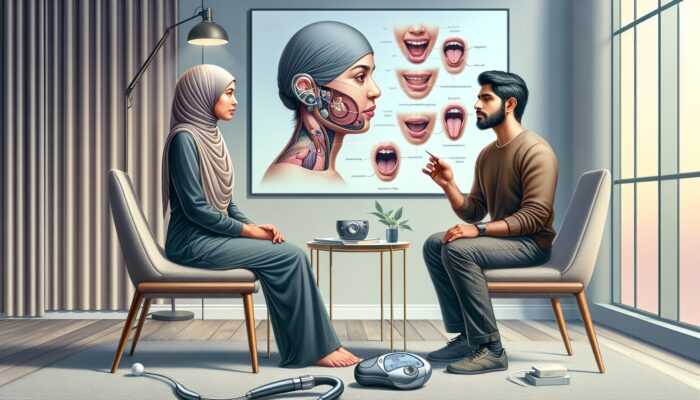
It’s also essential for new users to communicate openly with their audiologists about their experiences with discomfort. Audiologists can make necessary adjustments to the hearing aids to improve fit and comfort, ensuring that users can enjoy the benefits of their devices without unnecessary discomfort. This collaborative approach fosters a positive experience and encourages users to embrace their hearing aids as valuable tools for enhancing their quality of life.
Understanding the Adaptation Period for Hearing Aids
The adaptation period is a crucial phase for individuals adjusting to hearing aids, involving both physical acclimatisation and cognitive adjustments. It typically takes time for the brain to process amplified sounds accurately, especially for those who have experienced hearing loss for an extended period. During this time, users may need to exercise patience and commitment to fully reap the benefits of their devices.
As users begin to hear sounds they may have long forgotten—such as the rustling of leaves, the chirping of birds, or the subtlety of conversations—they may initially feel overwhelmed. This heightened awareness is a positive indicator that the hearing aids are functioning effectively and signifies the start of a new auditory journey. Users should embrace this phase as an opportunity to rediscover the richness of their environment and the sounds that surround them.
Engaging in regular practice and gradually exposing oneself to different listening environments can aid in the adaptation process. Users might benefit from participating in group conversations, attending events, or simply enjoying quiet time in nature. The more they interact with varying soundscapes, the more comfortable they will become with their hearing aids, ultimately leading to a more fulfilling auditory experience that enhances their daily lives.
The Importance of Professional Support in Adjusting to Hearing Aids
Ongoing support from audiologists is invaluable for individuals adjusting to hearing aids. Audiologists play a pivotal role in ensuring that hearing aids meet the user’s needs and preferences, providing professional guidance throughout the process. Regular check-ups allow for adjustments and fine-tuning of the hearing aids, enhancing the overall user experience.
During follow-up appointments, audiologists can assess the user’s experience, address any concerns, and make necessary modifications. This may include adjusting amplification settings or fine-tuning specific features to ensure optimal performance tailored to the user’s lifestyle. Users should feel empowered to communicate openly with their audiologists, sharing feedback about their experiences and any challenges they encounter along the way.
Moreover, audiologists can provide education and resources to help users navigate common issues associated with hearing aids, such as maintenance and care. By fostering a collaborative relationship, users can feel confident that they have the support they need to maximise the benefits of their hearing aids, ultimately enhancing their quality of life and auditory experiences.
Essential Maintenance and Care for Hearing Aids
Establishing a Daily Cleaning Routine for Optimal Hearing Aid Performance
Regular cleaning of hearing aids is essential for maintaining optimal performance and ensuring longevity. Over time, earwax, moisture, and debris can accumulate on the devices, potentially impacting sound quality and functionality. Users should establish a daily cleaning routine to keep their hearing aids in top condition, ensuring that they continue to deliver clear sound.
Daily cleaning should involve gently wiping down the exterior of the hearing aids with a soft, dry cloth to remove any surface dirt or moisture. Special attention should be paid to the microphone and speaker openings, as these areas can be particularly susceptible to blockage. Many manufacturers provide specific cleaning tools designed to assist in maintaining hearing aids, making the process straightforward and highly effective for users.
In addition to daily cleaning, users should schedule regular professional servicing to ensure their hearing aids receive comprehensive care. Audiologists can conduct thorough inspections, identify potential issues, and perform necessary repairs or adjustments. This proactive approach to maintenance helps extend the lifespan of hearing aids and ensures that users enjoy consistent, high-quality auditory experiences that enhance their daily lives.
Effective Battery Management for Uninterrupted Hearing Aid Use
Proper battery management is crucial for the uninterrupted use of hearing aids. Many models utilise disposable batteries, while others are rechargeable, each requiring specific care to ensure optimal performance. Users should be aware of their hearing aid’s battery type and implement best practices for effective battery management.
For disposable batteries, it’s essential to monitor battery life and replace them promptly to avoid unexpected outages. Users are advised to keep spare batteries on hand, especially when travelling or in situations where access to replacements may be limited. Storing batteries in a cool, dry place can also help extend their lifespan, ensuring that users can consistently rely on their hearing aids throughout the day.
Rechargeable hearing aids offer the convenience of eliminating the need for frequent battery replacements. Users should ensure they charge their devices fully each night and follow the manufacturer’s guidelines for battery care and longevity. Regularly cleaning the charging ports and ensuring that connections are secure can help prevent charging issues, ensuring that hearing aids are ready for use whenever needed.
The Importance of Regular Professional Servicing for Hearing Aids
Regular professional servicing is key to ensuring the longevity and effectiveness of hearing aids. Audiologists play a vital role in maintaining the performance of these devices, conducting comprehensive check-ups that address potential issues before they escalate. Users should schedule regular appointments to ensure that their hearing aids continue to function optimally and meet their auditory needs.
During servicing appointments, audiologists can perform thorough inspections to identify any signs of wear or damage. This proactive approach allows for timely repairs and adjustments, ensuring that users benefit from the latest technologies and features available in hearing aids. By maintaining an ongoing relationship with their audiologists, users can stay informed about advancements in hearing aid technology and make necessary updates as needed.
Moreover, professional servicing extends beyond technical adjustments. Audiologists can provide valuable insights into the user’s experience, offering personalised recommendations for optimising hearing aids based on specific lifestyle needs. This collaborative approach ensures that users receive comprehensive support for their auditory health and well-being, leading to a more fulfilling life enhanced by effective hearing.
Protecting Hearing Aids from Moisture Damage for Longevity
Protecting hearing aids from moisture is essential for preventing damage and ensuring functionality. Excessive moisture can affect the internal components of hearing aids, leading to malfunctions or reduced performance. Users should implement strategies to safeguard their devices from moisture exposure, particularly in humid environments or during physical activities that may cause sweating.
One effective method of moisture protection is to store hearing aids in a dehumidifying container or drying kit overnight. These products are designed to absorb excess moisture, keeping hearing aids dry and functioning optimally. Additionally, users can consider using moisture-proof covers or protective sleeves when wearing their devices in damp conditions, providing an added layer of protection against moisture-related issues.
It’s also important for users to avoid wearing hearing aids while swimming or engaging in activities that may expose them to excessive moisture. By taking proactive measures to protect hearing aids from moisture, users can extend their lifespan and maintain the quality of their auditory experiences, ensuring that their hearing aids remain reliable and effective.
Adopting Best Practices for Handling and Storing Hearing Aids
Proper handling and storage of hearing aids when not in use are essential for preventing physical damage and prolonging their lifespan. Users should develop a routine for safely storing their devices, ensuring they are protected from potential hazards such as pets, children, or accidental drops that can cause damage.
When not wearing hearing aids, users should store them in a designated case or container to prevent dust accumulation and physical damage. The storage location should be cool and dry, away from direct sunlight or excessive heat, which can adversely affect the performance of the devices. Following these best practices helps ensure that hearing aids remain in excellent condition for reliable use.
Additionally, users should handle hearing aids with care, avoiding unnecessary pressure or twisting when inserting or removing them. Taking time to learn the correct techniques for handling hearing aids can prevent physical damage and ensure a comfortable fit. By prioritising proper handling and storage, users can enjoy the longevity and effectiveness of their hearing aids, enhancing their overall auditory experience.
Frequently Asked Questions About Hearing Aids
What are hearing aids and how do they work?
Hearing aids are sophisticated electronic devices specifically designed to amplify sound for individuals experiencing hearing loss. They consist of several components, including a microphone, amplifier, and speaker, which work together to enhance the user’s ability to hear and comprehend sounds in their environment effectively.
What types of hearing aids are available today?
There are various types of hearing aids, including behind-the-ear (BTE), in-the-ear (ITE), completely-in-canal (CIC), and receiver-in-canal (RIC) models. Each type offers unique features and benefits tailored to the wearer’s specific needs and preferences.
How can I determine the most suitable hearing aid for my needs?
Choosing the right hearing aid involves considering factors such as the degree of hearing loss, lifestyle, and personal preferences. It’s essential to consult with a qualified audiologist who can provide guidance and recommend the best options based on individual requirements and auditory needs.
What is the typical lifespan of hearing aids?
The lifespan of hearing aids can vary based on factors such as usage, care, and technological advancements. Generally, hearing aids last between three to seven years. Regular maintenance and professional servicing can extend their longevity, ensuring they continue to provide optimal performance.
Can I wear hearing aids while exercising or engaging in physical activities?
Yes, many hearing aids are designed to be worn during physical activities; however, it’s crucial to protect them from moisture. Users should consider using moisture-resistant covers or storing them in a secure place during excessive sweating or swimming to maintain their functionality.
What are the best practices for maintaining my hearing aids?
Maintaining hearing aids involves regular cleaning, effective battery management, professional servicing, moisture protection, and careful handling and storage when not in use. Following these practices can significantly enhance performance and the overall longevity of the devices.
Will hearing aids provide relief from tinnitus symptoms?
While hearing aids are primarily designed to amplify sound, many users report experiencing relief from tinnitus symptoms. By enhancing external sounds, hearing aids can help mask the internal sounds associated with tinnitus, providing a more comfortable listening experience for users.
Do I need a prescription to obtain hearing aids?
Yes, a prescription from an audiologist or hearing care professional is typically required to obtain hearing aids. An assessment of hearing loss is necessary to determine the appropriate type and settings for the devices, ensuring they meet the user’s specific needs.
Are hearing aids covered by insurance plans?
Coverage for hearing aids varies widely among insurance plans. Some plans may cover part or all of the costs associated with hearing aids, while others may not provide any coverage. It’s essential to check with the insurance provider for specific details regarding coverage and financial support.
Join us on our journey on X!
The post Hearing Aids Explained: How They Work and Their Benefits appeared first on The Microsuction Ear Wax Removal Network.